Muutke küpsiste eelistusi

Empire religiosity: Convent habits in colonial and postcolonial India [Pehme köide]

  • Formaat: Paperback / softback, 304 pages, kõrgus x laius x paksus: 234x156x16 mm, kaal: 422 g
  • Sari: Studies in Imperialism
  • Ilmumisaeg: 23-Jun-2026
  • Kirjastus: Manchester University Press
  • ISBN-10: 1526197960
  • ISBN-13: 9781526197962
  • Pehme köide
  • Hind: 29,40 €*
  • * hind on lõplik, st. muud allahindlused enam ei rakendu
  • Tavahind: 36,75 €
  • Säästad 20%
  • See raamat ei ole veel ilmunud. Raamatu kohalejõudmiseks kulub orienteeruvalt 3-4 nädalat peale raamatu väljaandmist.
  • Kogus:
  • Lisa ostukorvi
  • Tasuta tarne
  • Tellimisaeg 2-4 nädalat
  • Lisa soovinimekirja
  • Formaat: Paperback / softback, 304 pages, kõrgus x laius x paksus: 234x156x16 mm, kaal: 422 g
  • Sari: Studies in Imperialism
  • Ilmumisaeg: 23-Jun-2026
  • Kirjastus: Manchester University Press
  • ISBN-10: 1526197960
  • ISBN-13: 9781526197962
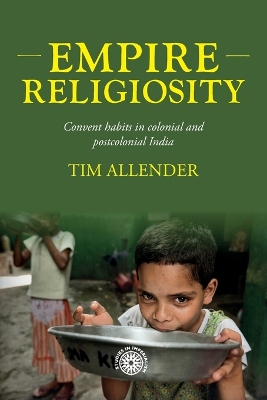
Winner of the Triennial Distinguished Book Award (202225) from the Cushwa Center for the Study of American Catholicism, this volume offers the first systematic account of Roman Catholic female missionaries in colonial and postcolonial India. It reveals their distinctive forms of activism, shaped both by a resistant Protestant raj and by patriarchal structures within their own church. These women hid during the Great Revolt of 1857, worked in Lock Hospitals, followed Jesuits into experimental tribal communities, and served elites in hill stations, while also being drawn into the eugenic and child-rescue practices of empire. Their educational and social outreach created new geographies of race and gender that enabled their continued presence after 1947. Their experiences fostered awareness of the complex semiotics of EastWest exchange and inform how their activism now engages trafficked girls and modern-day slavery. -- .

Arvustused

'Allender modifies the critique of postcolonial thought in ways that are truly refreshing' Ana Jelnikar, Anthropological Notebooks

'Empire Religiosity builds on Tim Allenders excellent track record of detailed research into the history of education... This is a compelling story, beautifully written, conveyed with clarity and compassion towards both the women themselves and the girls who received education.' History of Education Journal

'Empire Religiosity is an important contribution to the study of Catholic missions in India, and its detailed archival work is commendable.' Journal of Religious History

'Empire Religiosity: Convent Habits in Colonial and Postcolonial India is a nuanced and insightful examination of how religion operated as a lived, embodied practice within colonial and postcolonial contexts.'

'Overall, Empire Religiosity offers a nuanced understanding of how religion, gender, and empire were lived and experienced. Allenders focus on everyday practices makes this book a valuable contribution to colonial history, gender studies, and postcolonial scholarship.' Ankit Sharma -- .

Introduction
1 Calcuttas colonial religious space and the arrival of Loreto
2 Finding Indian connections
3 New convent domains, 18481913
4 Tribal domains and imperial entanglements
5 Learning elites and cultural chasms
6 Morapai, orphans and the Sunderbunds
7 Image vistas and transition to an independent India, 190462
8 Poverty liminalities and new literacy, 193070
9 Sealdah and the outreach of Sister Cyril Mooney
Conclusion
Index -- .
Tim Allender is Professor and Chair of History and Curriculum at the University of Sydney -- .