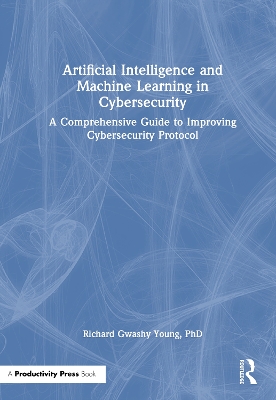
"Leveraging Artificial Intelligence (AI) and Machine Learning to Improve Cybersecurity Protocols" is a comprehensive exploration of the intersection between cutting-edge technology and cybersecurity practices. This book offers readers an in-depth understanding of how AI and ML are reshaping the cybersecurity landscape. It begins with foundational concepts, explaining AI and ML's principles and their transformative potential within various sectors, particularly cybersecurity. This book uniquely combines theoretical insights and practical applications, making it an essential resource for graduate students and cybersecurity professionals eager to expand their knowledge and skills.The book's uniqueness lies in its detailed analysis of how AI and machine learning can predict and counteract emerging threats in real-time, shifting the paradigm from reactive to proactive cybersecurity measures. By delving into a wide range of topics, such as AI- powered Intrusion Detection and Prevention Systems (IDPS) and Endpoint Security, the author provides case studies and examples from sectors like finance and healthcare. This hands-on approach not only illustrates successful implementations but also highlights potential challenges, offering balanced perspectives and strategies to overcome hurdles. The inclusion of ethical considerations around AI usage in cybersecurity further distinguishes it as a forward-thinking guide.As cyber threats continue to evolve, the need for advanced AI and ML methodologies becomes increasingly critical. This book addresses this urgency by equipping readers with contemporary knowledge and tools necessary to leverage these technologies effectively. The discussion of future trends, such as AI-powered quantum security and necessary policy implications, ensures that readers are well-prepared to navigate the complexities of cybersecurity in the coming decades. Ultimately, it serves as both an educational textbook for students and a practical guide for cyber practitioners, offering a roadmap for implementing AI-driven cybersecurity solutions that enhance threat detection, response, and prevention.
This book offers readers an in-depth understanding of how AI and ML are reshaping the cybersecurity landscape. It begins with foundational concepts, explaining AI and ML's principles and their transformative potential within various sectors, particularly cybersecurity.
Chapter 1: Introduction to AI, ML, and Cybersecurity
Chapter 2: The
Cyber Threat Landscape in the 21st Century
Chapter 3: Foundations of
Artificial Intelligence and Machine Learning in Cybersecurity
Chapter 4:
Predictive Analytics and Threat Intelligence with AI and ML
Chapter 5:
Automating Security Protocols Using AI and ML
Chapter 6: AI-Powered Intrusion
Detection and Prevention Systems (IDPS)
Chapter 7: AI and ML in Endpoint
Security and Zero Trust Models
Chapter 8: Enhancing Network Security with AI
and ML
Chapter 9: AI and ML in Combatting Cybercrime and Fraud
Chapter 10: AI
and ML in Cybersecurity Operations and Security Operations Centers (SOCs)
Chapter 11: Ethical Considerations and Risks of AI/ML in Cybersecurity
Chapter 12: Conclusion: Leveraging Artificial Intelligence and Machine
Learning to Improve Cybersecudity Protocols
Richard Young, PhD, is a seasoned cybersecurity leader and practitioner with over 30 years of experience in the financial services industry. Serving as an adjunct professor and Cybersecurity Program chair, he has made significant contributions to academia, leading the development of innovative curricula that bridge the gap between theoretical knowledge and practical application. His teaching expertise includes cybersecurity, IT risk, and leadership, where he has mentored numerous graduate students and future leaders in navigating complex cybersecurity challenges. Currently, Dr. Young serves as the head of Global Operations Tech Risk & Platforms Engineering at Citibank in New York City where he spearheads technical product ownership and risk management strategies across regions. His previous roles as chief information security officer at Barclays and Deutsche Bank have equipped him with extensive expertise in establishing and maintaining enterprise strategies to protect information assets. Dr.Young is recognized for delivering operational excellence, implementing regulatory reforms, and fostering collaborative relationships across global financial institutions. In addition to his extensive professional experience, Dr. Young holds a PhD in Leadership with a focus on the Management of Information Systems and is pursuing an EdD in Educational Leadership. He is the author of three influential books, including The 2nd Coming: The Recolonization of Africa by the East, Cybersecurity A Handbook for Boards and C-Suite, and Leadership Practices for Optimizing Performance and Job Satisfaction in the Financial Industry. Dr. Youngs insights and thought leadership have made him a prominent figure in bridging technology and cybersecurity, preparing organizations for the future challenges of the digital landscape.