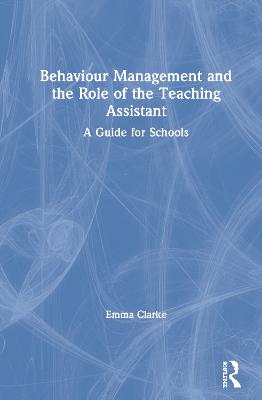
"Behaviour and the Teaching Assistant draws on the latest research as well as teaching assistants' own views to enable readers to reconsider TA deployment and to maximise the benefits TAs have to offer in supporting children's behaviour. It considers thedifficulties facing TAs, summarises the key stages in the evolution of their role in the classroom and highlights the significant challenges of TAs' role definition. Using current research findings, this book provides guidance and practical activities tosupport schools in empowering TAs to work with children whose behaviour challenges. Each chapter considers a range of strategies for working with TAs, as well as the strengths and limitations of these approaches. There are also a range of self/school-auditing and self-evaluation tasks with key points to consider and practical in-school suggestions at the end of each chapter. This is essential reading for professionals at all levels working in schools wanting to understand how teaching assistants can bestbe supported to successfully manage behaviour in schools"--
Behaviour Management and the Role of the Teaching Assistant draws on the latest research as well as teaching assistants' own views to enable readers to reconsider TA deployment and to maximise the benefits TAs have to offer in supporting children’s behaviour. It considers the difficulties facing TAs, summarises the key stages in the evolution of their role in the classroom and highlights the significant challenges of TAs’ role definition.
Using current research findings, this book provides guidance and practical activities to support schools in empowering TAs to work with children whose behaviour challenges. Each chapter considers a range of strategies for working with TAs, as well as the strengths and limitations of these approaches. There are also a range of self-/school-auditing and self-evaluation tasks with key points to consider and practical in-school suggestions at the end of each chapter.
This is essential reading for professionals at all levels working in schools wanting to understand how teaching assistants can best be supported to successfully manage behaviour in schools.