Muutke küpsiste eelistusi

Food Cultures of Spain: Cuisine, Customs, and Issues [Kõva köide]

(Universitat Oberta de Catalunya, Spain)
  • Formaat: Hardback, 224 pages, kõrgus x laius x paksus: 238x154x20 mm, kaal: 480 g
  • Sari: The Global Kitchen
  • Ilmumisaeg: 14-May-2026
  • Kirjastus: Bloomsbury Academic
  • ISBN-13: 9798765122471
Teised raamatud teemal:
  • Kõva köide
  • Hind: 64,89 €*
  • * hind on lõplik, st. muud allahindlused enam ei rakendu
  • Tavahind: 77,25 €
  • Säästad 16%
  • See raamat ei ole veel ilmunud. Raamatu kohalejõudmiseks kulub orienteeruvalt 3-4 nädalat peale raamatu väljaandmist.
  • Kogus:
  • Lisa ostukorvi
  • Tasuta tarne
  • Tellimisaeg 2-4 nädalat
  • Lisa soovinimekirja
  • Formaat: Hardback, 224 pages, kõrgus x laius x paksus: 238x154x20 mm, kaal: 480 g
  • Sari: The Global Kitchen
  • Ilmumisaeg: 14-May-2026
  • Kirjastus: Bloomsbury Academic
  • ISBN-13: 9798765122471
Teised raamatud teemal:

There's far more to Spanish food than tapas and paella. Discover the history and culture of Spain through its rich culinary traditions.

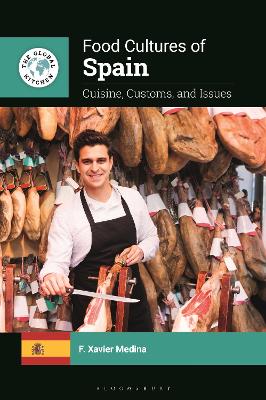
Part of the Global Kitchen series, this book takes readers on a food tour of Spain, covering everything from daily staples to holiday specialties. In addition to discovering Spain's long culinary history, readers will learn about recent trends, foreign influences, and contemporary food and dietary concerns. Chapters are organized thematically, making it easy to focus in on particular courses or types of dishes. These include influential ingredients, appetizers, main dishes, desserts, and street food, among others. The main text is supplemented by sidebars that offer interesting bite-sized facts, a chronology of important dates in Spanish culinary history, and a glossary of key food- and dining-related terms.

Spanish cuisine evolved over centuries, influenced by the country's diverse landscapes and inhabitants. Rooted in the Mediterranean triad of olive oil, wheat, and wine, it emphasizes fresh, seasonal ingredients, often prepared simply to highlight their natural flavors. From the seafood-rich coasts to the cured meats and stews of the mountainous interior, each region boasts unique specialties. Social dining is central to Spanish foodways, and food remains a vital aspect of family, community, and heritage.


There’s far more to Spanish food than tapas and paella. Discover the history and culture of Spain through its rich culinary traditions.

Muu info

Theres far more to Spanish food than tapas and paella. Discover the history and culture of Spain through its rich culinary traditions.
Series Foreword
Introduction
Chronology

1. Food History
2. Influential Ingredients
3. Appetizers and Side Dishes
4. Main Dishes
5. Desserts
6. Beverages
7. Holidays and Special Occasions
8. Street Food and Snacks
9. Dining Out
10. Food Issues and Dietary Concerns

Glossary
Selected Bibliography
Index
F. Xavier Medina holds a PhD in Social Anthropology from the University of Barcelona, Spain. He is a full professor of social anthropology and the anthropology of food and nutrition at Universitat Oberta de Catalunya in Barcelona, Spain. Medina has also served as Director of the UNESCO Chair on Food, Culture and Development and as World President of the International Commission on the Anthropology of Food and Nutrition (ICAF).