Muutke küpsiste eelistusi
  • Formaat - EPUB+DRM
  • Hind: 32,49 €*
  • * hind on lõplik, st. muud allahindlused enam ei rakendu
  • Lisa ostukorvi
  • Lisa soovinimekirja
  • See e-raamat on mõeldud ainult isiklikuks kasutamiseks. E-raamatuid ei saa tagastada.

DRM piirangud

  • Kopeerimine (copy/paste):

    ei ole lubatud

  • Printimine:

    ei ole lubatud

  • Kasutamine:

    Digitaalõiguste kaitse (DRM)
    Kirjastus on väljastanud selle e-raamatu krüpteeritud kujul, mis tähendab, et selle lugemiseks peate installeerima spetsiaalse tarkvara. Samuti peate looma endale  Adobe ID Rohkem infot siin. E-raamatut saab lugeda 1 kasutaja ning alla laadida kuni 6'de seadmesse (kõik autoriseeritud sama Adobe ID-ga).

    Vajalik tarkvara
    Mobiilsetes seadmetes (telefon või tahvelarvuti) lugemiseks peate installeerima selle tasuta rakenduse: PocketBook Reader (iOS / Android)

    PC või Mac seadmes lugemiseks peate installima Adobe Digital Editionsi (Seeon tasuta rakendus spetsiaalselt e-raamatute lugemiseks. Seda ei tohi segamini ajada Adober Reader'iga, mis tõenäoliselt on juba teie arvutisse installeeritud )

    Seda e-raamatut ei saa lugeda Amazon Kindle's. 
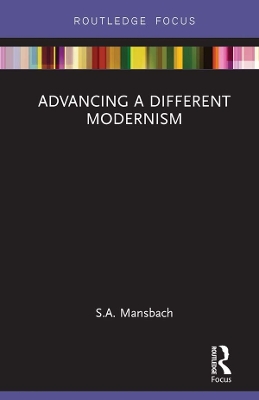
Advancing a Different Modernism analyzes a long-ignored but formative aspect of modern architecture and art. By examining selective buildings by the Catalan architect Lluís Domènech i Montaner (1850-1923) and by the Slovenian designer Joe Plecnik (1872-1957), the book reveals the fundamental political and ideological conservatism that helped shape modernisms history and purpose. This study thus revises the dominant view of modernism as a union of progressive forms and progressive politics. Instead, this innovative volume promotes a nuanced and critical consideration of how architecture was creatively employed to advance radically new forms and methods, while simultaneously consolidating an essentially conservative nationalist self-image.

Arvustused

"With Advancing a Different Modernism Mansbach, already recognized as one of the pre-eminent scholars of Central European modernism, moves the field in an exciting and stimulating direction, looking beyond the 'classics' of modernism and incorporating works of artists for whom the ideas and ideals of nationalism, and its role in modernism, were profoundly formative."

- Samuel D. Albert, Fashion Institute of Technology

Table of Contents

Chapter 1: Critical and Theoretical Introduction

Chapter 2: Progressive Architecture for a Conservative Catalonia

Chapter 3: Joe Plenik, an Idiosyncratic Slovenian Modernist

Chapter 4: Reflections on Modernisms Complexity

Appendix
Steven Mansbach is Distinguished University Professor and Professor of the History of Twentieth-Century Art at the University of Maryland.