Muutke küpsiste eelistusi
  • Formaat - PDF+DRM
  • Hind: 58,49 €*
  • * hind on lõplik, st. muud allahindlused enam ei rakendu
  • Lisa ostukorvi
  • Lisa soovinimekirja
  • See e-raamat on mõeldud ainult isiklikuks kasutamiseks. E-raamatuid ei saa tagastada.

DRM piirangud

  • Kopeerimine (copy/paste):

    ei ole lubatud

  • Printimine:

    ei ole lubatud

  • Kasutamine:

    Digitaalõiguste kaitse (DRM)
    Kirjastus on väljastanud selle e-raamatu krüpteeritud kujul, mis tähendab, et selle lugemiseks peate installeerima spetsiaalse tarkvara. Samuti peate looma endale  Adobe ID Rohkem infot siin. E-raamatut saab lugeda 1 kasutaja ning alla laadida kuni 6'de seadmesse (kõik autoriseeritud sama Adobe ID-ga).

    Vajalik tarkvara
    Mobiilsetes seadmetes (telefon või tahvelarvuti) lugemiseks peate installeerima selle tasuta rakenduse: PocketBook Reader (iOS / Android)

    PC või Mac seadmes lugemiseks peate installima Adobe Digital Editionsi (Seeon tasuta rakendus spetsiaalselt e-raamatute lugemiseks. Seda ei tohi segamini ajada Adober Reader'iga, mis tõenäoliselt on juba teie arvutisse installeeritud )

    Seda e-raamatut ei saa lugeda Amazon Kindle's. 
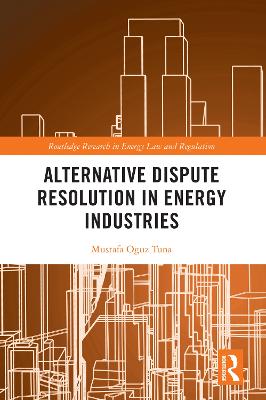
The disputes that arise between host states and investors in the energy sector put a high number of valuable and vital projects in the countries at risk. Investment treaty arbitration mechanisms, as the traditional remedy, have provided a solution to these problems for decades. However, as the number of disputes increases, the sufficiency of arbitration in responding to disputes became questionable in addition to the long-lasting and costly cases. Accordingly, ADR mechanisms outside the arbitration cannon have triggered growing interest among practitioners. Despite the attraction and the apparent benefits of ADR such as being cheaper, faster and with better outcomes compared to arbitration, there are also hurdles in front that hinder the application of ADR. This has lead to the underuse of ADR in appropriate contexts. This study has been conducted to research the gap for the applicability of the ADR methods for investment disputes in the energy sector with the doctrinal analysis of the existing literature either promoting or opposing ADR. Its findings provide guidance for alternative dispute resolution practitioners on when to use ADR, how to use ADR and on what disputes ADR to be used to resolve conflicts in International Energy Investment.

This study has been conducted to research the gap for the applicability of the ADR methods for investment disputes in the energy sector with the doctrinal analysis of the existing literature either promoting or opposing ADR.
CHAPTER I INTRODUCTION

Background

Rationale Behind the Emergence of ADR

Criticism and Justification

CHAPTER II - ALTERNATIVE DISPUTE RESOLUTION MECHANISMS

Introduction

Historical Background of ADR

Definition of ADR

Purpose of the ADR

Positive Sides of ADR

Challenges and Threats to the Practice of ADR

Negotiation

Mediation

Conciliation

Expert Determination

Neutral Evaluation

Fact-finding

Mini-trial

Ombudsman

Dispute Review Boards

Enquiry

CHAPTER III - ADR IN CURRENT INVESTMENT LAW REGIME

International Investment Treaties

Investment Contracts

Domestic Dispute Resolution Mechanisms

CHAPTER IV DRAWBACKS of ISDS SYSTEM

History of ISDS

A General View to ISDS

Diplomatic Protection

Court Litigation

Negative Impacts of the Arbitration on the Parties

Discontinued and Settled Arbitration Cases

Assistive Procedures to Arbitration

Seeking a Way Out: Hybrid Methods

CHAPTER V - INSTITUTIONAL ADR RULES

Conciliation

Mediation

Expert Determination

Fact-finding Rules (ICSID Additional Facility)

Early Neutral Evaluation Agreement - CEDR Model

Dispute Board Rules of CIArb

CHAPTER VI ADR IN ENERGY INVESTMENT DISPUTES

Fundamentals of Energy Investment Disputes

Type of the Disputes

Stages of the Disputes

Amount of the Dispute

Critiques and Challenges to the Application of ADR

CHAPTER VII: CONCLUSION

Overview

How Can ADR Succeed?

Host State Approach

Closure

BIBLIOGRAPHY
Mustafa Ouz Tuna is a legal practitioner at GSI Attorney Partnership Law Firm. Supervising international energy contracts and dispute proceedings.