Muutke küpsiste eelistusi

E-raamat: Alzheimer's Disease and Infectious Causes: The Theory and Evidence

  • Formaat: 232 pages
  • Sari: McFarland Health Topics
  • Ilmumisaeg: 01-Apr-2020
  • Kirjastus: McFarland & Co Inc
  • Keel: eng
  • ISBN-13: 9781476638911
  • Formaat - EPUB+DRM
  • Hind: 22,09 €*
  • * hind on lõplik, st. muud allahindlused enam ei rakendu
  • Lisa ostukorvi
  • Lisa soovinimekirja
  • See e-raamat on mõeldud ainult isiklikuks kasutamiseks. E-raamatuid ei saa tagastada.
  • Formaat: 232 pages
  • Sari: McFarland Health Topics
  • Ilmumisaeg: 01-Apr-2020
  • Kirjastus: McFarland & Co Inc
  • Keel: eng
  • ISBN-13: 9781476638911

DRM piirangud

  • Kopeerimine (copy/paste):

    ei ole lubatud

  • Printimine:

    ei ole lubatud

  • Kasutamine:

    Digitaalõiguste kaitse (DRM)
    Kirjastus on väljastanud selle e-raamatu krüpteeritud kujul, mis tähendab, et selle lugemiseks peate installeerima spetsiaalse tarkvara. Samuti peate looma endale  Adobe ID Rohkem infot siin. E-raamatut saab lugeda 1 kasutaja ning alla laadida kuni 6'de seadmesse (kõik autoriseeritud sama Adobe ID-ga).

    Vajalik tarkvara
    Mobiilsetes seadmetes (telefon või tahvelarvuti) lugemiseks peate installeerima selle tasuta rakenduse: PocketBook Reader (iOS / Android)

    PC või Mac seadmes lugemiseks peate installima Adobe Digital Editionsi (Seeon tasuta rakendus spetsiaalselt e-raamatute lugemiseks. Seda ei tohi segamini ajada Adober Reader'iga, mis tõenäoliselt on juba teie arvutisse installeeritud )

    Seda e-raamatut ei saa lugeda Amazon Kindle's. 

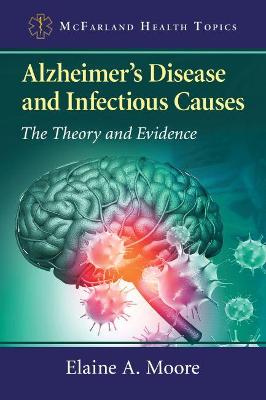
With the recent discovery that amyloid beta protein, the cause of plaques in Alzheimer's disease, is an antimicrobial peptide produced in response to infection, many researchers are focusing on the role infection plays in the development of Alzheimer's disease. Brain studies have also identified a number of different viruses, bacteria, fungi, and protozoa in the postmortem brain specimens of Alzheimer's patients.

Infection (particularly chronic, latent and persistent infections) causes an immune response that leads to inflammation and brain cell degeneration, which are characteristic features of Alzheimer's disease. Sources of infection in Alzheimer's disease vary from childhood infections to gut microbes that find their way into the brain as a result of aging, leaky gut syndrome, and increased permeability of the blood brain barrier. Studies and ongoing clinical trials show that treatment of viral and bacterial infections, as well as restoring a healthy balance to the gut microbiome, can reduce disease risk and improve symptoms in patients with Alzheimer's disease. This book serves as an introduction to the human microbiome and the role that infection plays in the development of Alzheimer's disease.

Arvustused

Following a personal experience as caretaker for her mother, laboratory technologist Moore sought to compile information on the potential influences of infectious agents on Alzheimers disease. In the resulting book Moore presents an application of the theory of microbial influence on disease progression. ...This book should be useful to those who study Alzheimers disease and for courses that focus more generally on the relationship between the human microbiome and disease. ...recommended"Choice "[ Moores] writing is informed by her knowledge of medical literature, but her accessible prose allows any interested patient or caregiver to understand recent advances in various topics. [ She] starts with basic information about Alzheimers disease, and includes accessible data on genetic and environmental risk factors implicated in research, but the focus is on infectious causes...excellentLibrary Journal

Acknowledgments vi
Preface 1(2)
Introduction 3(4)
One The Mystery of the Mind and Consciousness
7(25)
Two Infection as a Primary Cause
32(16)
Three Microorganisms and the Microbiome
48(23)
Four The Immune System, Neurodegeneration and the Blood-Brain Barrier
71(15)
Five Stages and Pathology of the Disease
86(19)
Six Herpes Viruses
105(14)
Seven Other Associated Viruses and the Prion Connection
119(11)
Eight Bacterial Infections
130(14)
Nine Fungal and Protozoan Infections
144(9)
Ten Risk Factors
153(17)
Eleven Genetic Influences
170(14)
Twelve Risk Reduction and Therapies
184(19)
Bibliography 203(12)
Index 215
Elaine A. Moore has worked in hospital laboratories for more than 30 years, primarily in immunohematology and toxicology. She is a freelance medical writer and laboratory consultant. For more information, visit her website at www.elaine-moore.com. She lives in Sedalia, Colorado.