Muutke küpsiste eelistusi

E-raamat: archaeology of lunacy: Managing madness in early nineteenth-century asylums

  • Formaat - EPUB+DRM
  • Hind: 93,92 €*
  • * hind on lõplik, st. muud allahindlused enam ei rakendu
  • Lisa ostukorvi
  • Lisa soovinimekirja
  • See e-raamat on mõeldud ainult isiklikuks kasutamiseks. E-raamatuid ei saa tagastada.

DRM piirangud

  • Kopeerimine (copy/paste):

    ei ole lubatud

  • Printimine:

    ei ole lubatud

  • Kasutamine:

    Digitaalõiguste kaitse (DRM)
    Kirjastus on väljastanud selle e-raamatu krüpteeritud kujul, mis tähendab, et selle lugemiseks peate installeerima spetsiaalse tarkvara. Samuti peate looma endale  Adobe ID Rohkem infot siin. E-raamatut saab lugeda 1 kasutaja ning alla laadida kuni 6'de seadmesse (kõik autoriseeritud sama Adobe ID-ga).

    Vajalik tarkvara
    Mobiilsetes seadmetes (telefon või tahvelarvuti) lugemiseks peate installeerima selle tasuta rakenduse: PocketBook Reader (iOS / Android)

    PC või Mac seadmes lugemiseks peate installima Adobe Digital Editionsi (Seeon tasuta rakendus spetsiaalselt e-raamatute lugemiseks. Seda ei tohi segamini ajada Adober Reader'iga, mis tõenäoliselt on juba teie arvutisse installeeritud )

    Seda e-raamatut ei saa lugeda Amazon Kindle's. 

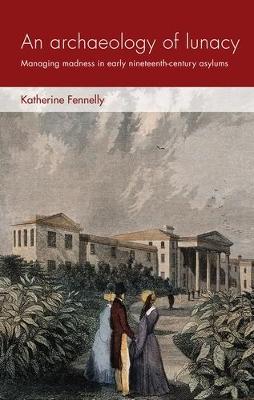
An archaeology of lunacy is a materially focused exploration of the first wave of public asylum building in Britain and Ireland, which took place during the late-Georgian and early Victorian period. Examining architecture and material culture, the book proposes that the familiar asylum archetype, usually attributed to the Victorians, was in fact developed much earlier. It looks at the planning and construction of the first public asylums and assesses the extent to which popular ideas about reformed management practices for the insane were applied at ground level. Crucially, it moves beyond doctors and reformers, repopulating the asylum with the myriad characters that made up its everyday existence: keepers, clerks and patients. Contributing to archaeological scholarship on institutions of confinement, the book is aimed at academics, students and general readers interested in the material environment of the historic lunatic asylum. -- .

Arvustused

'In this book Katherine Fennelly provides one of the first glimpses into the world of early lunatic asylums in Ireland and England. [ it] is an interesting, scholarly study of a field of growing interest among academics and the general public. It is well worth reading.' Antiquity

'An Archaeology of Lunacy is a modest but useful addition to the literature on the peculiar world of the nineteenth- century asylum.' Andrew Scull, Victorian Studies -- .

List of figures
viii
List of tables
x
Preface xi
Acknowledgements xv
Table of legislation
xvii
1 Introduction
1(31)
2 Management
32(37)
3 Administration
69(46)
4 Movement
115(30)
5 Conclusions
145(12)
References 157(16)
Index 173
Katherine Fennelly is Lecturer in Heritage at the University of Lincoln -- .