Muutke küpsiste eelistusi

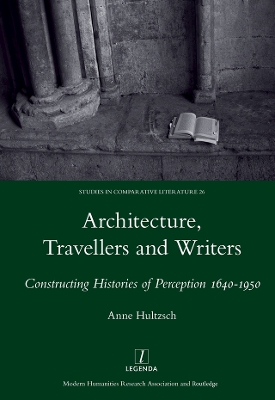
E-raamat: Architecture, Travellers and Writers: Constructing Histories of Perception 1640-1950

  • Formaat: PDF+DRM
  • Ilmumisaeg: 05-Jul-2017
  • Kirjastus: Maney Publishing
  • Keel: eng
  • ISBN-13: 9781351575898
  • Formaat - PDF+DRM
  • Hind: 59,79 €*
  • * hind on lõplik, st. muud allahindlused enam ei rakendu
  • Lisa ostukorvi
  • Lisa soovinimekirja
  • See e-raamat on mõeldud ainult isiklikuks kasutamiseks. E-raamatuid ei saa tagastada.
  • Raamatukogudele
  • Formaat: PDF+DRM
  • Ilmumisaeg: 05-Jul-2017
  • Kirjastus: Maney Publishing
  • Keel: eng
  • ISBN-13: 9781351575898

DRM piirangud

  • Kopeerimine (copy/paste):

    ei ole lubatud

  • Printimine:

    ei ole lubatud

  • Kasutamine:

    Digitaalõiguste kaitse (DRM)
    Kirjastus on väljastanud selle e-raamatu krüpteeritud kujul, mis tähendab, et selle lugemiseks peate installeerima spetsiaalse tarkvara. Samuti peate looma endale  Adobe ID Rohkem infot siin. E-raamatut saab lugeda 1 kasutaja ning alla laadida kuni 6'de seadmesse (kõik autoriseeritud sama Adobe ID-ga).

    Vajalik tarkvara
    Mobiilsetes seadmetes (telefon või tahvelarvuti) lugemiseks peate installeerima selle tasuta rakenduse: PocketBook Reader (iOS / Android)

    PC või Mac seadmes lugemiseks peate installima Adobe Digital Editionsi (Seeon tasuta rakendus spetsiaalselt e-raamatute lugemiseks. Seda ei tohi segamini ajada Adober Reader'iga, mis tõenäoliselt on juba teie arvutisse installeeritud )

    Seda e-raamatut ei saa lugeda Amazon Kindle's. 

Does the way in which buildings are looked at, and made sense of, change over the course of time? How can we find out about this? By looking at a selection of travel writings spanning four centuries, Anne Hultzsch suggests that it is language, the description of architecture, which offers answers to such questions.

Does the way in which buildings are looked at, and made sense of, change over the course of time? How can we find out about this? By looking at a selection of travel writings spanning four centuries, Anne Hultzsch suggests that it is language, the description of architecture, which offers answers to such questions. The words authors use to transcribe what they see for the reader to re-imagine offer glimpses at modes of perception specific to one moment, place and person. Hultzsch constructs an intriguing patchwork of local and often fragmentary narratives discussing texts as diverse as the 17th-century diary of John Evelyn, Daniel Defoe's Robinson Crusoe (1719) and an 1855 art guide by Swiss art historian Jacob Burckhardt. Further authors considered include 17th-century collector John Bargrave, 18th-century novelist Tobias Smollett, poet Johann Wolfgang von Goethe, critic John Ruskin as well as the 20th-century architectural historian Nikolaus Pevsner.
Acknowledgements ix
List of Illustrations
xi
Introduction: A Manual 1(12)
1 Rendering Buildings into Words: Pevsner and Evelyn
13(41)
Writing The Buildings of England
14(15)
Recording in the Diary
29(25)
2 Ordering the Unfamiliar: Bargrave and the Early Grand Tour
54(33)
Curious Words, Things, and Images
55(10)
Ordering the Cabinet of Travel
65(6)
Describing Unfamiliar Places
71(16)
3 Reading Books: Defoe, Smollett, and the Country-House Guidebook
87(42)
Robinson Crusoe's Lists
88(7)
Domestic Circuits
95(12)
Smollett's Letters
107(22)
4 Thinking in Metaphor: Evelyn and Ruskin
129(24)
Understanding through Metaphor
130(12)
Metaphors of Perception
142(4)
Attribute and Object
146(7)
5 Looking through the Lens: Evelyn, Goethe, and Burckhardt
153(48)
Evelyn and the Microscope
154(9)
Goethe and the Textbook
163(14)
Burckhardt and the Photograph
177(24)
Conclusions 201(6)
Bibliography 207(14)
Index 221
Anne Hultzsch