Muutke küpsiste eelistusi

E-raamat: Bangkok: Place, Practice and Representation

  • Formaat: 376 pages
  • Sari: Asia/Pacific/Perspectives
  • Ilmumisaeg: 27-Jun-2002
  • Kirjastus: Rowman & Littlefield
  • Keel: eng
  • ISBN-13: 9780203005019
  • Formaat - PDF+DRM
  • Hind: 38,99 €*
  • * hind on lõplik, st. muud allahindlused enam ei rakendu
  • Lisa ostukorvi
  • Lisa soovinimekirja
  • See e-raamat on mõeldud ainult isiklikuks kasutamiseks. E-raamatuid ei saa tagastada.
  • Formaat: 376 pages
  • Sari: Asia/Pacific/Perspectives
  • Ilmumisaeg: 27-Jun-2002
  • Kirjastus: Rowman & Littlefield
  • Keel: eng
  • ISBN-13: 9780203005019

DRM piirangud

  • Kopeerimine (copy/paste):

    ei ole lubatud

  • Printimine:

    ei ole lubatud

  • Kasutamine:

    Digitaalõiguste kaitse (DRM)
    Kirjastus on väljastanud selle e-raamatu krüpteeritud kujul, mis tähendab, et selle lugemiseks peate installeerima spetsiaalse tarkvara. Samuti peate looma endale  Adobe ID Rohkem infot siin. E-raamatut saab lugeda 1 kasutaja ning alla laadida kuni 6'de seadmesse (kõik autoriseeritud sama Adobe ID-ga).

    Vajalik tarkvara
    Mobiilsetes seadmetes (telefon või tahvelarvuti) lugemiseks peate installeerima selle tasuta rakenduse: PocketBook Reader (iOS / Android)

    PC või Mac seadmes lugemiseks peate installima Adobe Digital Editionsi (Seeon tasuta rakendus spetsiaalselt e-raamatute lugemiseks. Seda ei tohi segamini ajada Adober Reader'iga, mis tõenäoliselt on juba teie arvutisse installeeritud )

    Seda e-raamatut ei saa lugeda Amazon Kindle's. 

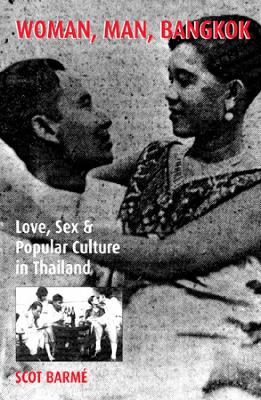
A historical exploration of the developments of gender relations in Thailand in the 1920s and 1930s. BarmT (Pacific and Asian history, Australian National U.) focuses on the capital city of Bangkok as new social meanings were articulated and consumed through the popular media. Separate chapters look at the emergence of a "protofeminist discourse" in women's magazines; the changing gender relations of the rising middle class; popular press debates related to female education and employment, polygamy, and prostitution; new middle class notions of sexual morality and propriety; and cinematic representations of contemporary womanhood. A final chapter explores a range of developments following the overthrow of the absolute monarchy. Annotation c. Book News, Inc., Portland, OR (booknews.com)

Scot BarmZ mines a rich lode of previously ignored cultural ephemera found in popular newspapers, magazines, novels, short stories, film booklets, and cartoons to create a vibrant cultural history of early modern Thailand that moves radically beyond conventional, elite-based historical studies of the period. By focusing on such controversies and conflicts as the status of women, relations between the sexes, class antagonisms, and the growth of a commercial mass culture, this book offers a new interpretation of the key decade of the 1920s and its significance for contemporary Thailand.

Arvustused

Barmé performs a monumental task. He peoples Siam, bringing it to life with a vibrancy and immediacy by parading before us the issues and images that roused the population of early 20th century Bangkok. * Journal of Southeast Asian Studies * Unlike any other English or Thai language history, Barmé?s study puts you on the ground in the always scintillating and often over-stimulating Bangkok, a city characterized by moral and economic extremes as early as the 1910s. His book offers the firsturban social history of Bangkok that also chronicles the formation of Siam?s burgeoning middle class and its ideological stances. The sheer amount of detail Barmé gleaned from Thai-language newspapers, political cartoons, magazines, film booklets, novels, short stories, and other documentation, make his book a cornucopia of the quotidian. Barmé performs a monumental task. He ?peoples? Siam, bringing it to life with a vibrancy and immediacy by parading before us the issues and images that roused thepopulation of early 20th century Bangkok. Tamara Looss -- Tamara Loos * Journal of Southeast Asian Studies * Truly path-breaking. Men still expect to dominate lots of women, while women are expected to be passive and pure. That's why 1920s Bangkok and its gender debates still seem so familiar. Great book. -- Chris Baker, Bangkok Post [ A] fresh look at the last decades of absolutist rule....Barme's [ be sure to get accent in] prose is very accessible, and with its attractive graphics, this paperback version will be a useful addition to courses on modern Southeast Asia. * American Historical Review * Woman, Man, Bangkok is an important contribution to an understanding of the intersections of gender, class, sexuality, and nationlism and analytically situates this intersection within an important phase in Thailand's history. * Journal of Asian Studies * Scot Barme's study of Bangkok is pathbreaking. By focusing on cinema, the press, cartoons, gender, and sexuality a century ago, he produces an original and fascinating picture of social and political change. There is no comparable work on Thailand's social history. No historian will want to ignore his story or his methods. No one will read this book and not have their image of Bangkok and Thailand changed. -- Kevin Hewison, City University of Hong Kong Unlike any other English or Thai language history, Barmés study puts you on the ground in the always scintillating and often over-stimulating Bangkok, a city characterized by moral and economic extremes as early as the 1910s. His book offers the first urban social history of Bangkok that also chronicles the formation of Siams burgeoning middle class and its ideological stances. The sheer amount of detail Barmé gleaned from Thai-language newspapers, political cartoons, magazines, film booklets, novels, short stories, and other documentation, make his book a cornucopia of the quotidian. Barmé performs a monumental task. He peoples Siam, bringing it to life with a vibrancy and immediacy by parading before us the issues and images that roused the population of early 20th century Bangkok.

Tamara Loos -- Tamara Loos * Journal of Southeast Asian Studies *

Chapter 1 Introduction
Chapter 2 Proto-feminist Discourses in Early Twentieth Century Siam
Chapter 3 Cinema, Film and the Growth of National Culture Under Absolutism
Chapter 4 In and around the Cinema: Romance and Sex in the City
Chapter 5 Visually Challenged: Graphic Critiques of the Royal-Noble Elite
Chapter 6 Evocations of Equality: Female Education and Employment
Chapter 7 A Question of Polygamy
Chapter 8 Bourgeois Love and Morality: Gender Relations Redefined
Chapter 9 Romance and Desire in Film and Fiction
Chapter 10 Gender, Class, and Popular Culture in Post-absolutist Siam: 1932-1940
Chapter 11 Conclusion
Scot Barmé is visiting fellow in the Division of Pacific and Asian History, Research School of Pacific and Asian Studies, at The Australian National University.