Muutke küpsiste eelistusi

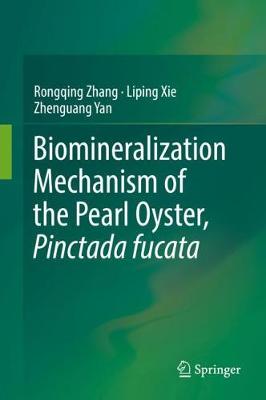
E-raamat: Biomineralization Mechanism of the Pearl Oyster, Pinctada fucata

  • Formaat: PDF+DRM
  • Ilmumisaeg: 19-Sep-2018
  • Kirjastus: Springer Verlag, Singapore
  • Keel: eng
  • ISBN-13: 9789811314599
  • Formaat - PDF+DRM
  • Hind: 221,68 €*
  • * hind on lõplik, st. muud allahindlused enam ei rakendu
  • Lisa ostukorvi
  • Lisa soovinimekirja
  • See e-raamat on mõeldud ainult isiklikuks kasutamiseks. E-raamatuid ei saa tagastada.
  • Formaat: PDF+DRM
  • Ilmumisaeg: 19-Sep-2018
  • Kirjastus: Springer Verlag, Singapore
  • Keel: eng
  • ISBN-13: 9789811314599

DRM piirangud

  • Kopeerimine (copy/paste):

    ei ole lubatud

  • Printimine:

    ei ole lubatud

  • Kasutamine:

    Digitaalõiguste kaitse (DRM)
    Kirjastus on väljastanud selle e-raamatu krüpteeritud kujul, mis tähendab, et selle lugemiseks peate installeerima spetsiaalse tarkvara. Samuti peate looma endale  Adobe ID Rohkem infot siin. E-raamatut saab lugeda 1 kasutaja ning alla laadida kuni 6'de seadmesse (kõik autoriseeritud sama Adobe ID-ga).

    Vajalik tarkvara
    Mobiilsetes seadmetes (telefon või tahvelarvuti) lugemiseks peate installeerima selle tasuta rakenduse: PocketBook Reader (iOS / Android)

    PC või Mac seadmes lugemiseks peate installima Adobe Digital Editionsi (Seeon tasuta rakendus spetsiaalselt e-raamatute lugemiseks. Seda ei tohi segamini ajada Adober Reader'iga, mis tõenäoliselt on juba teie arvutisse installeeritud )

    Seda e-raamatut ei saa lugeda Amazon Kindle's. 

This book presents an overview of our current understanding of the biomineralization mechanisms for shell formation in the pearl oyster Pinctada fucata, based on molecular biology, biochemistry, cell biology, structural biology and environmental biology. Pinctada fucata is the major pearl-producing shellfish in the South China Sea and is also an established model system for the research on the nacre biomineralization mechanism. Extensive studies on nacre biomineralization have provided valuable information for novel bionic material design. Discussing the isolation and gene cloning of the matrix proteins involved in the shell formation, as well as the cell signaling pathways, shell microstructures, and the environmental impacts on shell biomineralization, it is a valuable reference resource for researchers working in the field of nacre biomineralization and biomaterials.

Perface.
Chapter 1 Cloning and characterization of genes invovled in the biomineralization of pearl oyster.
Chapter 2 Characterization and functions of proteins invovled in the biomineralization of pearl oyster.
Chapter 3 Study of enzymes involved in the biomineralization of pearl oyster.
Chapter 4 Cell culture and related biomineralization study of pearl oyster.
Chapter 5 Cell signalling pathway involved in the biomineralization of pearl oyster.
Chapter 6 Structral biology of the biomineralization of pearl oyster.
Chapter 7 Environmental biology of biomineralization of pearl oyster.
Rongqing Zhang is a professor at Tsinghua University School of Life Sciences, where he was vice dean from 2009-2016. He was also the director of the Institute of Marine Biotechnology at the same university. Prof. Zhang is a member of the European Society for Marine Biotechnology (ESMB) and the Editorial Board of Marine Biotechnology. His research interests include marine biochemistry and molecular biology, focusing on detecting new functional genes from marine creatures and molecular mechanisms of marine biomineralization.

Liping Xie is a professor at Tsinghua University School of Life Sciences.

Zhenguang Yan is a professor at the State Key Laboratory of Environmental Criteria and Risk Assessment, Chinese Research Academy of Environmental Sciences.