Muutke küpsiste eelistusi

E-raamat: Black Social Television: How Black Twitter Changed Television

  • Formaat: 196 pages
  • Ilmumisaeg: 15-Dec-2024
  • Kirjastus: Lexington Books
  • Keel: eng
  • ISBN-13: 9781793616296
Teised raamatud teemal:
  • Formaat - PDF+DRM
  • Hind: 94,77 €*
  • * hind on lõplik, st. muud allahindlused enam ei rakendu
  • Lisa ostukorvi
  • Lisa soovinimekirja
  • See e-raamat on mõeldud ainult isiklikuks kasutamiseks. E-raamatuid ei saa tagastada.
  • Formaat: 196 pages
  • Ilmumisaeg: 15-Dec-2024
  • Kirjastus: Lexington Books
  • Keel: eng
  • ISBN-13: 9781793616296
Teised raamatud teemal:

DRM piirangud

  • Kopeerimine (copy/paste):

    ei ole lubatud

  • Printimine:

    ei ole lubatud

  • Kasutamine:

    Digitaalõiguste kaitse (DRM)
    Kirjastus on väljastanud selle e-raamatu krüpteeritud kujul, mis tähendab, et selle lugemiseks peate installeerima spetsiaalse tarkvara. Samuti peate looma endale  Adobe ID Rohkem infot siin. E-raamatut saab lugeda 1 kasutaja ning alla laadida kuni 6'de seadmesse (kõik autoriseeritud sama Adobe ID-ga).

    Vajalik tarkvara
    Mobiilsetes seadmetes (telefon või tahvelarvuti) lugemiseks peate installeerima selle tasuta rakenduse: PocketBook Reader (iOS / Android)

    PC või Mac seadmes lugemiseks peate installima Adobe Digital Editionsi (Seeon tasuta rakendus spetsiaalselt e-raamatute lugemiseks. Seda ei tohi segamini ajada Adober Reader'iga, mis tõenäoliselt on juba teie arvutisse installeeritud )

    Seda e-raamatut ei saa lugeda Amazon Kindle's. 

"This book argues that in addition to seismic shifts in social justice, Black Twitter's activism fueled a representation revolution in television. Sherri Williams explores how Black social TV -- a subset of Black Twitter -- successfully got shows blockedfrom airing, taken off the air, and even revived as a result of its digital activism"--

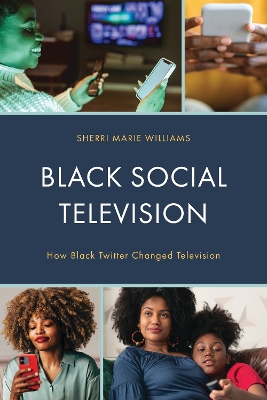
This book argues that in addition to seismic shifts in social justice, Black Twitter's activism fueled a representation revolution in television. Sherri Williams explores how Black social TV -- a subset of Black Twitter -- successfully got shows blocked from airing, taken off the air, and even revived as a result of its digital activism.

In this book, Sherri Williams explores the digital activism of the Black social TV audience, a subset of Black Twitter. In addition to demands for social equality and shifts in social justice, Williams argues, the Black social TV audience advocated for a representation revolution in television, leading to some shows being blocked from airing, some being taken off the air, and others even being revived. Williams positions this activism as an extension of Black people's historic advocacy related to the use of their image, dating back a century to when the NAACP attempted to block screenings of the notoriously racist 1915 film The Birth of a Nation. This book details how Black audiences' use of social media impacted the way television is watched, developed, and produced through digital discourse and activism, primarily on Twitter (now known as X). Williams also demonstrates how Black content directors, like Justin Simien and Quinta Brunson, used social networks to develop their content and loyalty among audiences to ultimately bypass Hollywood's traditional gatekeepers. Finally, the book touches on contemporary events, such as the COVID pandemic and Elon Musk's acquisition of Twitter, have affected the ways in which Black content creators engage with their content and audience and vice versa. Scholars of television studies, social media studies, cultural studies, and sociology will find this book particularly useful.

Arvustused

It's impressively researched and offers readers an accessibly written and engaging narrative. A well-argued case for the power of Black Twitter. * Kirkus Reviews *

Muu info

This book argues that in addition to seismic shifts in social justice, Black Twitter's activism fueled a representation revolution in television. Sherri Williams explores how Black social TV -- a subset of Black Twitter -- successfully got shows blocked from airing, taken off the air, and even revived as a result of its digital activism.
Chapter 1: Black Social TV: Posting, Clicking, and Tweeting toward
Change
Chapter 2: Twisted Sisters: Distorted Images of Black Women
Chapter 3: Digital Discourse: Analyzing Black Social TV Dialogue
Chapter 4: Digital Gladiators: How Social Television Made Scandal a Hit
Chapter 5: Second Screen Strategies: How Networks and Shows Engage in Black
Social TV
Chapter 6: From the Second Screen to the TV Screen: How Black Creators Bypass
Hollywoods Gatekeepers through Social Media
Chapter 7: The Pandemic Pivot: How Club Quarantine and Verzuz Transformed the
Second Screen into the First Screen
Chapter 8: Platforms, Protests and Programs: The Present and Future of Black
Social TV
Sherri Williams is professor of journalism and media studies at American University.