Muutke küpsiste eelistusi

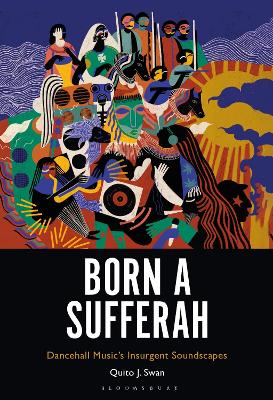
E-raamat: Born a Sufferah: Dancehall Music's Insurgent Soundscapes

(Indiana University, USA)
  • Formaat: 280 pages
  • Ilmumisaeg: 20-Feb-2025
  • Kirjastus: Bloomsbury Academic
  • Keel: eng
  • ISBN-13: 9798765101278
  • Formaat - PDF+DRM
  • Hind: 105,30 €*
  • * hind on lõplik, st. muud allahindlused enam ei rakendu
  • Lisa ostukorvi
  • Lisa soovinimekirja
  • See e-raamat on mõeldud ainult isiklikuks kasutamiseks. E-raamatuid ei saa tagastada.
  • Formaat: 280 pages
  • Ilmumisaeg: 20-Feb-2025
  • Kirjastus: Bloomsbury Academic
  • Keel: eng
  • ISBN-13: 9798765101278

DRM piirangud

  • Kopeerimine (copy/paste):

    ei ole lubatud

  • Printimine:

    ei ole lubatud

  • Kasutamine:

    Digitaalõiguste kaitse (DRM)
    Kirjastus on väljastanud selle e-raamatu krüpteeritud kujul, mis tähendab, et selle lugemiseks peate installeerima spetsiaalse tarkvara. Samuti peate looma endale  Adobe ID Rohkem infot siin. E-raamatut saab lugeda 1 kasutaja ning alla laadida kuni 6'de seadmesse (kõik autoriseeritud sama Adobe ID-ga).

    Vajalik tarkvara
    Mobiilsetes seadmetes (telefon või tahvelarvuti) lugemiseks peate installeerima selle tasuta rakenduse: PocketBook Reader (iOS / Android)

    PC või Mac seadmes lugemiseks peate installima Adobe Digital Editionsi (Seeon tasuta rakendus spetsiaalselt e-raamatute lugemiseks. Seda ei tohi segamini ajada Adober Reader'iga, mis tõenäoliselt on juba teie arvutisse installeeritud )

    Seda e-raamatut ei saa lugeda Amazon Kindle's. 

"This book evaluates modern Caribbean politics through the soundscapes of Reggae and Dancehall. Born to Reggae in the 1970s, Dancehall is often framed by its lyrics of hyper masculinity. This has distorted its engagement with Reggae's innate politics, largely Rastafari's critique of the West as being of a Biblical Babylon. Both strains grappled with questions of a decolonizing and migrating Caribbean: hard times, concrete ecologies, and promised lands. But if Reggae's radical soundings of Black liberation repatriated East beyond Babylon's rivers, then to what extent did Dancehall imagine freedom amidst the contradictions of the gully sided West?"--

This book evaluates modern Black internationalism through the sonic insurgencies of Reggae and Dancehall.

Born as a sufferer in the 1970s, Dancehall is often framed by its lyrics of hyper masculinity. This has distorted its intertwined engagement with the politics of its older sibling Reggae-largely Rastafari's critique of the West as being of a Biblical Babylon. Both strains grappled with questions of a decolonizing and migrating Caribbean: hard times, concrete ecologies, and promised lands. But if Reggae's radical soundings of Black liberation repatriated East beyond Babylon's rivers, then to what extent did Dancehall imagine Zion amidst the contradictions of the gully sided West?

In the global 1990s Reggae and Dancehall sound systems curated sites of Black cultural insurgency across the world. Stretching beyond the bombastic business of moving crowds with music, they were amplifiers and receivers of Caribbean political epistemologies. In the dancehall, these cultural innovators remixed Western modernities and compressed timelines of Black radicalism, fashioning myriad sound-driven Zions to move against the traffic blocking of Babylon's street sweepers and lookout fetishes. Their frequencies of subaltern clap back thrived in night clubs, nyabinghis, and favelas where subversive musical practices were documented on dubplates and globally distributed on cassettes. An expansive grassroots audio archive of Black insurgency, sound system culture was a radically complex space of Ubuntu place making, sonic cartography, and Black internationalism.

Arvustused

Attuned to the reverberations of Jamaican popular music in diverse cultural contexts, Quito Swan skillfully theorizes the politics and aesthetics of dancehall performance. Like a top-ranking sound system selector, he deftly practices the art and science of academic juggling. Born a Sufferah is a dubplate special, signifying Swans prowess in the sound clash of dancehall scholarship. * Carolyn Cooper, Professor Emerita, University of the West Indies, Mona, Jamaica * Quito Swan (re)mixes culture and politics to produce a lyrical account of Black revolt at the millenniums end. Dancehall is no mere soundtrack but a sound, a sounding, where dub poetry meets history, and we discover the three Rs: Riddim, Remembering, Resistance. Moving intervallically and diasporically through key episodes of Black insurgency, Born a Sufferah re-members separate, discrete arenas of struggle the street, the home, the school, the dance floor as one Babylon where popular defiance is expressed as one Love. Read until you overstand. * Robin D. G. Kelley, author of Freedom Dreams: The Black Radical Imagination * A much overdue examination of dancehall as a perceptive and articulate international cultural ambassador, rather than merely the influential musical phenomena we love it for. Although that isnt forgotten in this fascinating and insightful study. * Lloyd Bradley, author of Bass Culture, a history of reggae *

Muu info

While the 1970s is understood as being Reggaes political pinnacle, this book explores the globally insurgent soundscapes of Dancehall music at the turn of the 21st-century.

Introduction
1. How Reggae Overstood Rodney
2. Traffic Blocking, Radio Free Grenada
3. Black's Revolution
4. Death Inna Dancehall
5. Greetings From Jah, to all Raggamuffins
6. What One Gun Can Do
7. Poor People's Governors
8. Misses Africa
9. Dubplates, Massives, and Crews
10. Free Gaza, Free Vybz Kartel
Notes
Quito J. Swan is Professor of Africana Studies and History at The George Washington University, USA. He is the author of Black Power in Bermuda (2010), Pauulus Diaspora: Black Internationalism and Environmental Justice (2020) and Pasifika Black: Oceania, Anti-colonialism, and the African World (2022).