Muutke küpsiste eelistusi
  • Formaat - PDF+DRM
  • Hind: 54,59 €*
  • * hind on lõplik, st. muud allahindlused enam ei rakendu
  • Lisa ostukorvi
  • Lisa soovinimekirja
  • See e-raamat on mõeldud ainult isiklikuks kasutamiseks. E-raamatuid ei saa tagastada.

DRM piirangud

  • Kopeerimine (copy/paste):

    ei ole lubatud

  • Printimine:

    ei ole lubatud

  • Kasutamine:

    Digitaalõiguste kaitse (DRM)
    Kirjastus on väljastanud selle e-raamatu krüpteeritud kujul, mis tähendab, et selle lugemiseks peate installeerima spetsiaalse tarkvara. Samuti peate looma endale  Adobe ID Rohkem infot siin. E-raamatut saab lugeda 1 kasutaja ning alla laadida kuni 6'de seadmesse (kõik autoriseeritud sama Adobe ID-ga).

    Vajalik tarkvara
    Mobiilsetes seadmetes (telefon või tahvelarvuti) lugemiseks peate installeerima selle tasuta rakenduse: PocketBook Reader (iOS / Android)

    PC või Mac seadmes lugemiseks peate installima Adobe Digital Editionsi (Seeon tasuta rakendus spetsiaalselt e-raamatute lugemiseks. Seda ei tohi segamini ajada Adober Reader'iga, mis tõenäoliselt on juba teie arvutisse installeeritud )

    Seda e-raamatut ei saa lugeda Amazon Kindle's. 

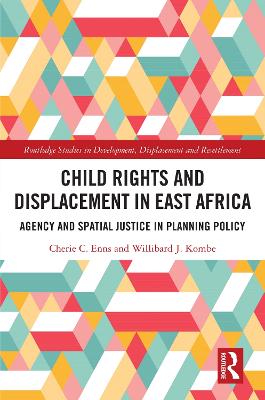
Focusing on the intersection of spatial justice, child rights, and planning policy, this book investigates the challenges of resettlement in East Africa, where half of those displaced are children.

The challenges created by displacement and resettlement are often considered from an adult-centric perspective by planners and humanitarian and development experts. The spatial injustice of displacement and resettlement, the agency of children, and the application of tools such as Child Participatory Vulnerability Index (CPVI) is siloed, commonly overlooked, or discounted. This book uses a CPVI and rights-based assessment of land-use policies, to investigate resettlement due to conflict and settlement in northern Uganda, floods due to climate change in Dar es Salaam, Tanzania, and urban to rural migration of children due to the aids pandemic in Western Kenya. Case studies from over a decade of field research are integrated with examples from applied planning projects and policy development in the East Africa region. This book uses spatial justice theory to show how child-friendly planning approaches can positively promote child rights in the context of resettlement.

Providing important insights on how to enact child-friendly planning in informal settlements, refugee camps, and displacement camps, this book will be of interest to planning and development professionals, and researchers across the fields of children's rights, Development Studies, Planning, and African Studies.


Focusing on the intersection of spatial justice, child rights, and planning policy, this book investigates the challenges of resettlement in East Africa. It will be of interest to planning and development professionals, and researchers across the fields of children's rights and Development Studies.

Chapter 1: Introduction,
Chapter 2: Legacy of Land-Use Planning: Child Rights and Spatial Justice,
Chapter 3: Methods and Approaches,
Chapter 4: Spatial Justice for HIV Orphans and Vulnerable Children: The Case of Muhanda In Rural Kenya,
Chapter 5: Refugee Children and Settlement Rural Uganda Case Study,
Chapter 6: Spatial Justice for Children: The Displacement Case in Suna Ward and Mabwepande in Dar Es Salaam,
Chapter 7: Framework for More Spatially Just and Transformative Planning Policy About Resettlement,
Chapter 8: Conclusions, Planning Policy Issues and Recommendations
Cherie C. Enns is Associate Professor at the School of Land Use and Environment Change/Global Development Studies, at the University of the Fraser Valley, Canada.

Willibard J. Kombe is a Professor at Ardhi University, the Institute of Human Settlements Studies, Tanzania.