Muutke küpsiste eelistusi
  • Formaat - EPUB+DRM
  • Hind: 72,79 €*
  • * hind on lõplik, st. muud allahindlused enam ei rakendu
  • Lisa ostukorvi
  • Lisa soovinimekirja
  • See e-raamat on mõeldud ainult isiklikuks kasutamiseks. E-raamatuid ei saa tagastada.
  • Raamatukogudele

DRM piirangud

  • Kopeerimine (copy/paste):

    ei ole lubatud

  • Printimine:

    ei ole lubatud

  • Kasutamine:

    Digitaalõiguste kaitse (DRM)
    Kirjastus on väljastanud selle e-raamatu krüpteeritud kujul, mis tähendab, et selle lugemiseks peate installeerima spetsiaalse tarkvara. Samuti peate looma endale  Adobe ID Rohkem infot siin. E-raamatut saab lugeda 1 kasutaja ning alla laadida kuni 6'de seadmesse (kõik autoriseeritud sama Adobe ID-ga).

    Vajalik tarkvara
    Mobiilsetes seadmetes (telefon või tahvelarvuti) lugemiseks peate installeerima selle tasuta rakenduse: PocketBook Reader (iOS / Android)

    PC või Mac seadmes lugemiseks peate installima Adobe Digital Editionsi (Seeon tasuta rakendus spetsiaalselt e-raamatute lugemiseks. Seda ei tohi segamini ajada Adober Reader'iga, mis tõenäoliselt on juba teie arvutisse installeeritud )

    Seda e-raamatut ei saa lugeda Amazon Kindle's. 

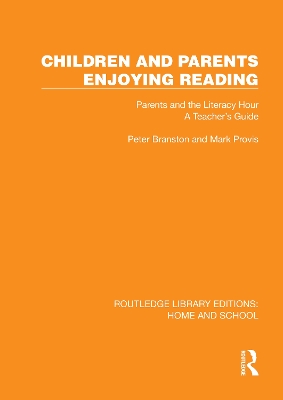
With the introduction of the Literacy Hour in 1998, the case for harnessing parental involvement in promoting children’s literacy was stronger than ever. Originally published in 1999, this book offered a detailed and practical approach, based on three key concepts: keeping the child in the driving seat, continuing support from the school to the parents and daily reading at home. It is presented in an accessible manner and offers practical advice to teachers in running and evaluating a scheme. It also gives parents a chance to think about the nature of their involvement at word, sentence and text levels, introducing them to the framework of the National Literacy Strategy.

Good reading skills are essential for access to the wider curriculum, yet above all, reading is fun. This book helped teachers, parents and children to work together to make reading at home more enjoyable. It was also to help ensure that children achieved the standards of literacy expected for their age by 2002. Today it can still be used to help children learn to read.


In the late 1990s the case for harnessing parental involvement in promoting children’s literacy was stronger than ever. First published in 1999, this book offered a detailed and practical approach, based on three key concepts: keeping the child in the driving seat, continuing support from the school to the parents and daily reading at home.

Acknowledgements.
1. Introduction
2. Some Research Findings
3. The Caper
Book Stock
4. Introducing Parents to Caper
5. Model Talk to Parents of Six-
to Eight-Year-Olds
6. Bright Ideas in the Classroom
7. Caper Reading Clinics
8. How to Listen to Children Read
9. Other Ways of Listening
10. Parent
Workshops
11. Volunteer Helpers in School
12. Caper with Nursey and Reception
Age Children
13. Caper Chain
14. Evaluating the Caper Scheme Has it Worked?
15. Conclusion. Appendices. References. Index.