Muutke küpsiste eelistusi

E-raamat: Civil War Cavalry: Waging Mounted Warfare in Nineteenth-Century America

  • Formaat: PDF+DRM
  • Ilmumisaeg: 13-Aug-2025
  • Kirjastus: Louisiana State University Press
  • Keel: eng
  • ISBN-13: 9780807185001
  • Formaat - PDF+DRM
  • Hind: 19,84 €*
  • * hind on lõplik, st. muud allahindlused enam ei rakendu
  • Lisa ostukorvi
  • Lisa soovinimekirja
  • See e-raamat on mõeldud ainult isiklikuks kasutamiseks. E-raamatuid ei saa tagastada.
  • Formaat: PDF+DRM
  • Ilmumisaeg: 13-Aug-2025
  • Kirjastus: Louisiana State University Press
  • Keel: eng
  • ISBN-13: 9780807185001

DRM piirangud

  • Kopeerimine (copy/paste):

    ei ole lubatud

  • Printimine:

    ei ole lubatud

  • Kasutamine:

    Digitaalõiguste kaitse (DRM)
    Kirjastus on väljastanud selle e-raamatu krüpteeritud kujul, mis tähendab, et selle lugemiseks peate installeerima spetsiaalse tarkvara. Samuti peate looma endale  Adobe ID Rohkem infot siin. E-raamatut saab lugeda 1 kasutaja ning alla laadida kuni 6'de seadmesse (kõik autoriseeritud sama Adobe ID-ga).

    Vajalik tarkvara
    Mobiilsetes seadmetes (telefon või tahvelarvuti) lugemiseks peate installeerima selle tasuta rakenduse: PocketBook Reader (iOS / Android)

    PC või Mac seadmes lugemiseks peate installima Adobe Digital Editionsi (Seeon tasuta rakendus spetsiaalselt e-raamatute lugemiseks. Seda ei tohi segamini ajada Adober Reader'iga, mis tõenäoliselt on juba teie arvutisse installeeritud )

    Seda e-raamatut ei saa lugeda Amazon Kindle's. 
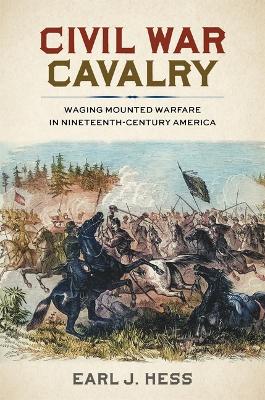
The Civil War produced the largest cavalry force ever raised in American history. In Civil War Cavalry, Earl J. Hess examines that force comprehensively and from new perspectives, challenging standard views of the war’s mounted arm. Hess surveys the organization, training, administration, arming, and mounting of cavalry units and examines mounted troops’ tactical formations and maneuvers. He addresses the nature of cavalry operations, discussing the mounted charge, dismounted fighting, long-distance raids, the varied types of weapons used by troopers, and the difficulty of supplying horses. Hess also brings concepts from the burgeoning field of animal history to argue that cavalry mounts exercised a degree of agency in shaping their role in the large military machine. Civil War Cavalry is a sweeping and innovative history, establishing a new criterion for understanding how Americans waged mounted warfare in the mid-nineteenth century.

Arvustused

"Boots and saddles, charges and countercharges, flashing sabers, bold young men commanding mighty and ever-faithful steeds, dashing romps through the countrysidethis is usually what comes to mind when people think of mounted forces in the Civil War. There was, however, much, much more to the story. In Civil War Cavalry, Earl J. Hess once again offers a study that not only informs and entertains but offers fresh perspectives, insights, and analyses that are clearheaded, rooted in extensive research, and refreshingly free of the romanticism that often characterizes the treatment of cavalry. A splendid addition to Civil War scholarship." - Ethan S. Rafuse, author of From the Mountains to the Bay: The War in Virginia, JanuaryMay 1862

"Civil War Cavalry is superbly holistic: both an institutional and operational history, combining a synopsis of the use of cavalry from the ancient world to the nineteenth century with the American experience, especially ideas about how cavalry should fight prior to the Civil War. Nuanced but comprehensive, with remarkable attention to how horse soldiers thought about cavalry's purpose and tactics, Civil War Cavalry is the best analysis of any nineteenth-century cavalry forces, perhaps the best on any post-medieval mounted forces." - Samuel J. Watson, author of Peacekeepers and Conquerors: The Army Officer Corps on the American Frontier, 18211846

Earl J. Hess is professor emeritus of history at Lincoln Memorial University and the author or editor of twenty-nine books on the American Civil War, including Civil War Infantry Tactics: Training, Combat, and Small-Unit Effectiveness.