Muutke küpsiste eelistusi

E-raamat: Co-creative University: Evaluation, Expectations and Economic Policy Implications

  • Formaat - PDF+DRM
  • Hind: 54,59 €*
  • * hind on lõplik, st. muud allahindlused enam ei rakendu
  • Lisa ostukorvi
  • Lisa soovinimekirja
  • See e-raamat on mõeldud ainult isiklikuks kasutamiseks. E-raamatuid ei saa tagastada.

DRM piirangud

  • Kopeerimine (copy/paste):

    ei ole lubatud

  • Printimine:

    ei ole lubatud

  • Kasutamine:

    Digitaalõiguste kaitse (DRM)
    Kirjastus on väljastanud selle e-raamatu krüpteeritud kujul, mis tähendab, et selle lugemiseks peate installeerima spetsiaalse tarkvara. Samuti peate looma endale  Adobe ID Rohkem infot siin. E-raamatut saab lugeda 1 kasutaja ning alla laadida kuni 6'de seadmesse (kõik autoriseeritud sama Adobe ID-ga).

    Vajalik tarkvara
    Mobiilsetes seadmetes (telefon või tahvelarvuti) lugemiseks peate installeerima selle tasuta rakenduse: PocketBook Reader (iOS / Android)

    PC või Mac seadmes lugemiseks peate installima Adobe Digital Editionsi (Seeon tasuta rakendus spetsiaalselt e-raamatute lugemiseks. Seda ei tohi segamini ajada Adober Reader'iga, mis tõenäoliselt on juba teie arvutisse installeeritud )

    Seda e-raamatut ei saa lugeda Amazon Kindle's. 

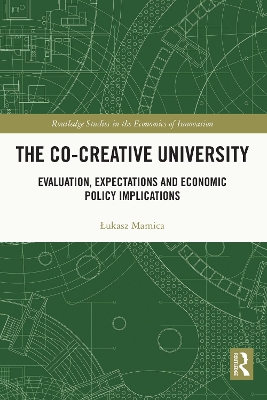
The co-creative university has become the main driver of social and economic development stimulating internal (students and academics) and external creativity (companies and institutional environment) as well as cooperation in various areas (e.g. applied graduation theses, research projects, lifelong learning).

Intended as a contribution to a better understanding of how universities create value in numerous areas, this book discusses the determinants of creativity and ways of stimulating it with a special focus on approaches and practical solutions relevant to teaching. Examples include problem-oriented student theses, which represent a successful combination of creativity with practical knowledge. Based on the findings of international surveys of students, the author offers an in-depth analysis of the differences between what they expect from universities and the degree to which their expectations are met. Comparing students’ opinions with those of employees of international corporations (working graduates) permitted the author to test the actual utility of selected aspects of university education. Regrettably, both groups of respondents gave low ratings to support for developing creativity, which should serve as a warning sign and inform future reforms at this level of education.

This book is primarily targeted to those involved in education, policy-making, and socio-economic development. It provides a rich source of information for university managers on how to better fulfil their missions based on the idea of co-creativity. It also suggests how to improve the effectiveness of research and education in order to ensure that both can better respond to current development challenges.


Intended as a contribution to a better understanding of how universities create value in numerous areas, this book discusses the determinants of creativity and ways of stimulating it with a special focus on approaches and practical solutions relevant to teaching.

1. Introduction
2. University as a Source of Values
3. Determinants and Conditions of Creativity
4. Fostering Creativity as the Main Challenge to University Education
5. Problem-oriented Student Theses as a Successful Combination of Creativity with Practical Knowledge
6. The Impact of Marketisation of Higher Education on its Capacity to Foster Creativity
7. University Cooperation with the Environment as a Stimulus for Creativity
8. Expectations of Students and Corporate Employees versus the Degree to which They Are Met by Universities
9. The Co-creative University
10. Summary and Policy Implications
ukasz Mamica is Associate Professor and Head of Department of Public Economics, Cracow University of Economics, Poland. He is the coordinator of Research Area Industrial Policy and Development at the European Association for Evolutionary Political Economy (EAEPE). He has co-authored all the regional innovation strategies for the Maopolska region and has served as an expert in several projects funded by OECD, the European Union, Polish government departments, and regional administration units.