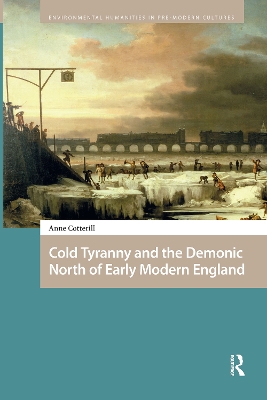
- Rereads classic texts in light of climate history - Reminds us of historically complex meanings of cold and heat in the humanistic tradition - Interdisciplinary and wide-ranging The seventeenth and early eighteenth centuries were among the worst years of the Little Ice Age. This volume attends to English texts from this period to trace associations between wintry physical landscapes and an icy inner landscape of human cruelty and tyranny whose rigors promote the ultimate chill of rigor mortis. Sailors seeking a polar route to the East brought terrifying reports of northern icescapes, long popularly linked with the devil. Simultaneously, concerns about increasingly cold winters at home in Britain overlapped with increased scrutiny of kingship and the church and fear of tyranny from both. Such fears were reflected in ongoing struggles between king and Parliament during the period, leading to revolution and war. The binding power of ice and the power of northern winters to deface, kill, and bury life suggested the Fall’s human parallel to winter: cold-hearted humans as tyrannical winters who deal in death.
Foreword
Introduction
Part I. At Home and Far From Home: Records of the Tyrant Cold
Chapter
1. Empress of the Northern Clime: London in Winter
Chapter
2. cold chaos and half-eternal night: Overwintering Far North
Part II. Literature and the Lab: Imaginative and Experimental Explorations of
Cold
Chapter
3. Weathering the Fall in The Winters Tale
Chapter
4. Milton and Horror Chill: Cold Within and Without
Chapter
5. Natures Cold Left Hand: Boyles Experimental History of Cold,
Begun
Chapter
6. Armed Winter and Inverted Day: The Politics of Cold in Dryden
and Purcells King Arthur
Chapter
7. James Thomson and the Despot of Winter
Coda
Bibliography
Anne Cotterill is Associate Professor Emerita at Missouri University of Science and Technology. She has published Digressive Voices in Early Modern English Literature (Oxford, 2004) and essays on the work of John Dryden, Andrew Marvell, and Elizabeth Isham.

 Lisainfo e-raamatute kohta