Muutke küpsiste eelistusi

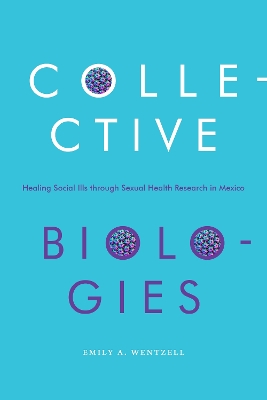
E-raamat: Collective Biologies: Healing Social Ills through Sexual Health Research in Mexico

  • Formaat: PDF+DRM
  • Ilmumisaeg: 11-Oct-2021
  • Kirjastus: Duke University Press
  • Keel: eng
  • ISBN-13: 9781478022176
  • Formaat - PDF+DRM
  • Hind: 33,28 €*
  • * hind on lõplik, st. muud allahindlused enam ei rakendu
  • Lisa ostukorvi
  • Lisa soovinimekirja
  • See e-raamat on mõeldud ainult isiklikuks kasutamiseks. E-raamatuid ei saa tagastada.
  • Formaat: PDF+DRM
  • Ilmumisaeg: 11-Oct-2021
  • Kirjastus: Duke University Press
  • Keel: eng
  • ISBN-13: 9781478022176

DRM piirangud

  • Kopeerimine (copy/paste):

    ei ole lubatud

  • Printimine:

    ei ole lubatud

  • Kasutamine:

    Digitaalõiguste kaitse (DRM)
    Kirjastus on väljastanud selle e-raamatu krüpteeritud kujul, mis tähendab, et selle lugemiseks peate installeerima spetsiaalse tarkvara. Samuti peate looma endale  Adobe ID Rohkem infot siin. E-raamatut saab lugeda 1 kasutaja ning alla laadida kuni 6'de seadmesse (kõik autoriseeritud sama Adobe ID-ga).

    Vajalik tarkvara
    Mobiilsetes seadmetes (telefon või tahvelarvuti) lugemiseks peate installeerima selle tasuta rakenduse: PocketBook Reader (iOS / Android)

    PC või Mac seadmes lugemiseks peate installima Adobe Digital Editionsi (Seeon tasuta rakendus spetsiaalselt e-raamatute lugemiseks. Seda ei tohi segamini ajada Adober Reader'iga, mis tõenäoliselt on juba teie arvutisse installeeritud )

    Seda e-raamatut ei saa lugeda Amazon Kindle's. 

"In Collective Biologies, Emily A. Wentzell uses sexual health research participation as a case study for investigating the use of individual health behaviors to aid groups facing crisis and change. Wentzell analyzes couples' experiences of a longitudinal study of HPV occurrence in men in Cuernavaca, Mexico. She observes how their experiences reflected Mexican cultural understandings of group belonging through categories like family and race. For instance, partners drew on collective rather than individualistic understandings of biology to hope that men's performance of "modern" masculinities, marriage, and healthcare via HPV research would aid groups ranging from church congregations to the Mexican populace. Thus, Wentzell challenges the common regulatory view of medical research participation as an individual pursuit. Instead, she demonstrates that medical research is a daily life arena which people might use for fixing embodied societal problems. By identifying forms of group interconnectedness as "collective biologies," Wentzell investigates how people can use their own actions to enhance collective health and well-being in ways that neoliberal emphasis on individuality obscures"--

Analyzing a longitudinal study of HPV occurrence in men in Cuernavaca, Mexico, Emily A. Wentzell explores how people can use individual health behaviors like participating in medical research to enhance group well-being amid crisis and change.

In Collective Biologies, Emily A. Wentzell uses sexual health research participation as a case study for investigating the use of individual health behaviors to aid groups facing crisis and change. Wentzell analyzes couples' experiences of a longitudinal study of HPV occurrence in men in Cuernavaca, Mexico. She observes how their experiences reflected Mexican cultural understandings of group belonging through categories like family and race. For instance, partners drew on collective rather than individualistic understandings of biology to hope that men's performance of “modern” masculinities, marriage, and healthcare via HPV research would aid groups ranging from church congregations to the Mexican populace. Thus, Wentzell challenges the common regulatory view of medical research participation as an individual pursuit. Instead, she demonstrates that medical research is a daily life arena that people might use for fixing embodied societal problems. By identifying forms of group interconnectedness as “collective biologies,” Wentzell investigates how people can use their own actions to enhance collective health and well-being in ways that neoliberal emphasis on individuality obscures.

Arvustused

Collective Biologies is an engaging, theoretically astute, and crisply written ethnography of research participation and shifting notions of gender and modernity in Mexico. Emily A. Wentzell captures a sense of the way biomedical research increasingly becomes enfolded into the experiences and projects of everyday life and particular understandings and aspirations of modernity in a way that is both emergent and urgent to understand. Her thoughtful, accessible, and illuminating examination makes crucial contributions to scholarship in science studies, medical anthropology, and Latin American studies. - Megan Crowley-Matoka, author of (Domesticating Organ Transplant: Familial Sacrifice and National Aspiration in Mexico) Emily A. Wentzell's study challenges medicine's conception of the body as a discrete entity and the way medical testing is done and the results understood. It is an excellent contribution to both medical anthropology and to public health. - Laura A. Lewis, author of (Chocolate and Corn Flour: History, Race, and Place in the Making of "Black" Mexico) "This solid contribution to medical anthropology reifies the concept that individuals enfold themselves into larger, collective, societal arenas. Highly recommended. Lower- and upper-division undergraduates. Graduate students, faculty, and professionals."   - G. R. Campbell (Choice) "Wentzells skill in describing these biological abstractions is impressive. She has the capacity to weave complex subjects together: class differences, Mexican gender norms, national stereotypes, history, the economy, racial stereotypes, sexual disease transmission, familial and educational concerns, perceptions of governmental function, and more." - William Sorensen (The Latin Americanist)

Preface: Collective Biologies in the COVID-19 Pandemic and Beyond ix
Acknowledgments xiii
1 Sexual Health Research, Relationships, and Social Change in Cuernavaca
1(34)
2 Performing Modern Masculinities in Medical Research
35(17)
3 HPV and Couples Biology
52(29)
4 Cultivating Companionate Families
81(25)
5 Creating a "Culture of Prevention"
106(24)
6 Evangelicals Participating as Piety
130(25)
7 From "Human Subjects" to "Collective Biologies"
155(26)
Appendix: The Study Design 181(8)
References 189(24)
Index 213
Emily A. Wentzell is Associate Professor of Anthropology at the University of Iowa, author of Maturing Masculinities: Aging, Chronic Illness, and Viagra in Mexico, and coeditor of Medical Anthropology at the Intersections: Histories, Activisms, and Futures, both also published by Duke University Press.