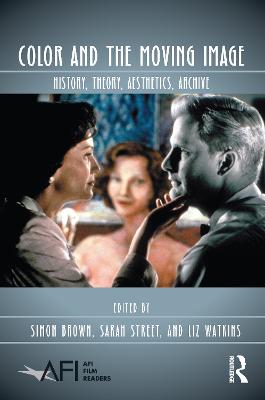
"This new AFI Film Reader is the first comprehensive collection of original essays on the use of color in film. Contributors from diverse film studies backgrounds consider the importance of color throughout the history of the medium, assessing not only the theoretical implications of color on the screen, but also the ways in which developments in cinematographic technologies transformed the aesthetics of color and the nature of film archiving and restoration. Color and the Moving Image includes new writing on key directors whose work is already associated with color such as Hitchcock, Jarman and Sirk as well as others whose use of color has not yet been explored in such detail including Eric Rohmer and the Coen Brothers. This volume is an excellent resource for a variety of film studies courses and the global film archiving community at large"--
| Plates and figures |
|
ix | |
| Acknowledgments |
|
xiii | |
| Introduction |
|
1 | (10) |
|
|
|
|
|
|
|
|
|
11 | (68) |
|
1 "The brighton school and the quest for natural color" - redux |
|
|
13 | (10) |
|
|
|
2 Technicolor-multicolor-sennett-color: natural color processes in mack sennett comedies 1926-1931 |
|
|
23 | (14) |
|
|
|
3 Color as image schema: technicolor number 3 in king of jazz (1930) |
|
|
37 | (10) |
|
|
|
4 Glorious agfacolor, breathtaking totalvision and monophonic sound: colour and "scope" in czechoslovakia |
|
|
47 | (9) |
|
|
|
5 Glorious and other adventures with prizma |
|
|
56 | (11) |
|
|
|
6 The color of prometheus: thomas wilfred's lumia and the projection of transcendence |
|
|
67 | (12) |
|
|
|
|
|
79 | (46) |
|
7 Where do colors go at night? |
|
|
81 | (12) |
|
|
|
8 "Brash... Indecent... Libertine": Derek jarman's queer colors |
|
|
93 | (11) |
|
|
|
9 The hues of memory, the shades of experience: color and time in syndromes and a century |
|
|
104 | (10) |
|
Jocelyn Szczepaniak-Gillece |
|
|
10 From psycho to pleasantville: the role of color and black-and-white imagery for film experience |
|
|
114 | (11) |
|
|
|
|
|
125 | (72) |
|
11 The illuminated fairytale: the colors of paul fejos's lonesome (1928) |
|
|
127 | (11) |
|
|
|
12 Color unlimited: amateur color cinema in the 1930s |
|
|
138 | (12) |
|
|
|
13 Color and meaning in the films of eric rohmer |
|
|
150 | (10) |
|
|
|
14 The cameraman and the glamour-puss: technicolor cinematography and design in john ford's drums along the mohawk |
|
|
160 | (10) |
|
|
|
15 chromo-drama: innovation and convention in douglas sirk's color designs |
|
|
170 | (9) |
|
|
|
16 Color and containment: domestic spaces and restrained palettes in hitchcock's first color films |
|
|
179 | (10) |
|
|
|
17 Color and meaning in marnie |
|
|
189 | (8) |
|
|
|
|
|
197 | (46) |
|
18 Are my eyes really brown? the aesthetics of colorization in casablanca |
|
|
199 | (10) |
|
|
|
19 "those men are not white!": neuroscience, digital imagery and color in o brother, where art thou? |
|
|
209 | (10) |
|
|
|
20 Towards a more accurate preservation of color: heritage, research and the film restoration laboratory |
|
|
219 | (11) |
|
|
|
|
|
|
|
21 Herbert g. ponting's materials and texts |
|
|
230 | (13) |
|
|
| About the american film institute |
|
243 | (2) |
| index |
|
245 | |
Anna Batistova works as the head of audiovisual collections at National Film Archive in Prague (Czech Republic), and an assistant professor at Department of Film Studies and Audiovisual Culture at Masaryk University, Brno (Czech Republic). She does research in history of screening technologies and teaches cinema technology, early cinema, Czech cinema, and audiovisual archiving.

 Lisainfo e-raamatute kohta