Muutke küpsiste eelistusi

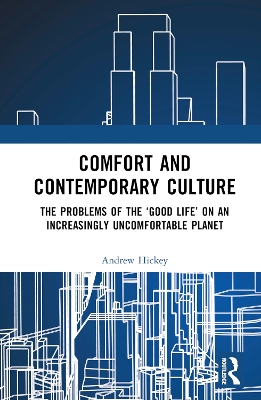
E-raamat: Comfort and Contemporary Culture: The problems of the 'good life' on an increasingly uncomfortable planet

(University of Southern Queensland, Australia)
  • Formaat: PDF+DRM
  • Ilmumisaeg: 08-Nov-2023
  • Kirjastus: Routledge
  • Keel: eng
  • ISBN-13: 9781003801351
  • Formaat - PDF+DRM
  • Hind: 53,29 €*
  • * hind on lõplik, st. muud allahindlused enam ei rakendu
  • Lisa ostukorvi
  • Lisa soovinimekirja
  • See e-raamat on mõeldud ainult isiklikuks kasutamiseks. E-raamatuid ei saa tagastada.
  • Formaat: PDF+DRM
  • Ilmumisaeg: 08-Nov-2023
  • Kirjastus: Routledge
  • Keel: eng
  • ISBN-13: 9781003801351

DRM piirangud

  • Kopeerimine (copy/paste):

    ei ole lubatud

  • Printimine:

    ei ole lubatud

  • Kasutamine:

    Digitaalõiguste kaitse (DRM)
    Kirjastus on väljastanud selle e-raamatu krüpteeritud kujul, mis tähendab, et selle lugemiseks peate installeerima spetsiaalse tarkvara. Samuti peate looma endale  Adobe ID Rohkem infot siin. E-raamatut saab lugeda 1 kasutaja ning alla laadida kuni 6'de seadmesse (kõik autoriseeritud sama Adobe ID-ga).

    Vajalik tarkvara
    Mobiilsetes seadmetes (telefon või tahvelarvuti) lugemiseks peate installeerima selle tasuta rakenduse: PocketBook Reader (iOS / Android)

    PC või Mac seadmes lugemiseks peate installima Adobe Digital Editionsi (Seeon tasuta rakendus spetsiaalselt e-raamatute lugemiseks. Seda ei tohi segamini ajada Adober Reader'iga, mis tõenäoliselt on juba teie arvutisse installeeritud )

    Seda e-raamatut ei saa lugeda Amazon Kindle's. 

To be comfortable stands as an aspiration of the times; to be comfortable defines what it means to live the good life. We talk about such things as maintaining a comfortable home, a comfortable lifestyle and a comfortable retirement. We seek out comforts in the relationships we sustain, the leisure practices we enact and the possessions we accumulate. We look for promises of comfort in the words of a close friend and our next pair of shoes. Furnished in the home, optionally outfitted in cars, scrutinised in holiday brochures and brushed up against in the clothes we wear, comfort is there, marking distinctions and framing decisions about what it means to live well. But by consuming comfort in the ways that we do, we do ourselves harm and limit our only planet of its capacity to provide for the requirements of life. This is a world that grows ever more uncomfortable because of comfort and when linked to consumption and excess, indulgence and apathy, it occurs that comfort carries effects that have existential consequence.

Utilising analyses of popular culture and ethnographic accounts of everyday life, Comfort and Contemporary Culture works through case study accounts of comforts enactment to pose questions around what it means to live, now. Comfort and Contemporary Culture poses alternative renderings of the idea of comfort to return the concept to its earliest roots in notions of confortre. The revisioning of what we take as comfort requires urgent attention, with the ecological, social and intrapersonal implications of comforts current excesses demonstrative of this need.

This book will be relevant reading for students and scholars of cultural studies and sociology, cultural anthropology, social geography and studies of community.
Section 1 The Condition of Comfort
1. Comfort, where? The Dimensions of
Comfort
2. Situating the Argument
3. The Narrative Construction of Comfort
4.
But Again; Comfort? Some Final, Initial, Notes Section 2 Permutations of
Comfort: A Pragmatic Consideration of Comforts Surfacings
5. Upon Booking
the Flight: The Physiographies of Comfort
6. A Trip to the Shops: Comforts
Ethical Recognition
7. A Visit to the Oncology Ward: Comfort as an Observable
State of Being
8. In the Living Room: The Securitization of Comfort Section 3
Permeations of Comfort: A Further Consideration of Comforts effects
9.
Comforts Individualisation: The Cruel Optimism of Comfort
10. Afflict the
Comfortable, Comfort the Afflicted: Comfort and the Reformation of the Good
Life
Andrew T Hickey is Professor of Communications in the School of Humanities and Communication, University of Southern Queensland.