Muutke küpsiste eelistusi

E-raamat: Cross-Modal Interior Architecture: A Behavioural Neuroscience Framework for Spatial Design

Edited by , Edited by
  • Formaat - EPUB+DRM
  • Hind: 147,58 €*
  • * hind on lõplik, st. muud allahindlused enam ei rakendu
  • Lisa ostukorvi
  • Lisa soovinimekirja
  • See e-raamat on mõeldud ainult isiklikuks kasutamiseks. E-raamatuid ei saa tagastada.

DRM piirangud

  • Kopeerimine (copy/paste):

    ei ole lubatud

  • Printimine:

    ei ole lubatud

  • Kasutamine:

    Digitaalõiguste kaitse (DRM)
    Kirjastus on väljastanud selle e-raamatu krüpteeritud kujul, mis tähendab, et selle lugemiseks peate installeerima spetsiaalse tarkvara. Samuti peate looma endale  Adobe ID Rohkem infot siin. E-raamatut saab lugeda 1 kasutaja ning alla laadida kuni 6'de seadmesse (kõik autoriseeritud sama Adobe ID-ga).

    Vajalik tarkvara
    Mobiilsetes seadmetes (telefon või tahvelarvuti) lugemiseks peate installeerima selle tasuta rakenduse: PocketBook Reader (iOS / Android)

    PC või Mac seadmes lugemiseks peate installima Adobe Digital Editionsi (Seeon tasuta rakendus spetsiaalselt e-raamatute lugemiseks. Seda ei tohi segamini ajada Adober Reader'iga, mis tõenäoliselt on juba teie arvutisse installeeritud )

    Seda e-raamatut ei saa lugeda Amazon Kindle's. 
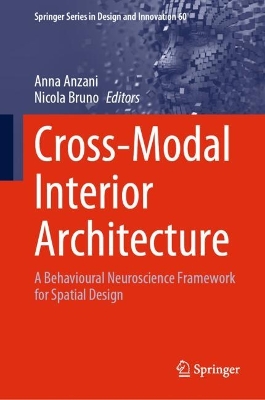
This book addresses the widespread demand for an organism-centred approach to places that are consistent with psychological, emotional and social needs, based on a transdisciplinary confluence of behavioural neuroscience, interior architecture and spatial design. Ordinary perception is multisensory and based on automatic, spontaneous and often obligatory mental processes. If the design manages multisensory signals so that they are coherent, the brain automatically associates and processes them more smoothly and a mental state joined with aesthetics and comfort is produced. This activity generates a more pleasant cognitive experience, positively influencing both our aesthetic preferences and the decisions we make. The first part of the book deals with perception and its influence on interior and architectural design processes. The second part addresses multisensory wellbeing and its implication for human-place interaction. The third part focuses on atmospheres as a tool for interior regeneration, temporal and spatial experience. The fourth part is devoted to urban psychology and the diversity of the social environment. Researchers, designers, practitioners can benefit from the knowledge of these phenomena and apply it to improve the liveability of new and reused spaces, expand individual wellbeing and better the relationship between people and their habitat.
PVA: an ecological perspective on space perception in built
environments.- The Evolution of Spatial Experience Research: From Linear
Frameworks to Complex Systems Understanding.- Designing intermodal
plurivocity.- Reflections on partial and simultaneous reality perception.