Muutke küpsiste eelistusi
  • Formaat - PDF+DRM
  • Hind: 110,53 €*
  • * hind on lõplik, st. muud allahindlused enam ei rakendu
  • Lisa ostukorvi
  • Lisa soovinimekirja
  • See e-raamat on mõeldud ainult isiklikuks kasutamiseks. E-raamatuid ei saa tagastada.

DRM piirangud

  • Kopeerimine (copy/paste):

    ei ole lubatud

  • Printimine:

    ei ole lubatud

  • Kasutamine:

    Digitaalõiguste kaitse (DRM)
    Kirjastus on väljastanud selle e-raamatu krüpteeritud kujul, mis tähendab, et selle lugemiseks peate installeerima spetsiaalse tarkvara. Samuti peate looma endale  Adobe ID Rohkem infot siin. E-raamatut saab lugeda 1 kasutaja ning alla laadida kuni 6'de seadmesse (kõik autoriseeritud sama Adobe ID-ga).

    Vajalik tarkvara
    Mobiilsetes seadmetes (telefon või tahvelarvuti) lugemiseks peate installeerima selle tasuta rakenduse: PocketBook Reader (iOS / Android)

    PC või Mac seadmes lugemiseks peate installima Adobe Digital Editionsi (Seeon tasuta rakendus spetsiaalselt e-raamatute lugemiseks. Seda ei tohi segamini ajada Adober Reader'iga, mis tõenäoliselt on juba teie arvutisse installeeritud )

    Seda e-raamatut ei saa lugeda Amazon Kindle's. 

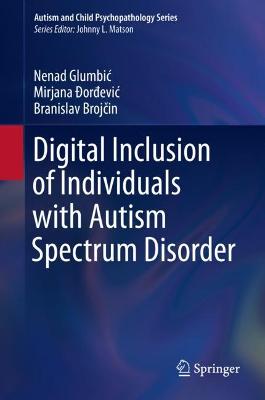
This book examines opportunities and obstacles in achieving the digital inclusion of individuals with autism spectrum disorder (ASD). It addresses basic requirements of the digital society and the concepts of digital inclusion (and exclusion), digital participation, and the disability digital divide as well as support for individuals with autism in co-creating digital devices. The book discusses the application of digital technologies across different contexts, including education, leisure activities, community life, daily living skills, and employment of individuals with autism.

Featured areas of coverage include:

  • Computer-based interventions for speech development, social communication, executive functions, and other skills in children with autism.
  • Digital health intervention for persons with ASD.
  • Risks for persons with ASD on the Internet (e.g., excessive use, addictive behavior, and cyberbullying).
  • Digital technology use in simulating job interviews, and teaching work skills.
  • Digital technology use in self-advocacy activities of individuals with autism.
Digital Inclusion of Individuals with Autism Spectrum Disorder is an essential reference for researchers, professors, graduate students, clinicians and related therapists and professionals in clinical child and school psychology, social work, behavioral therapy/rehabilitation, pediatrics, physical therapy, occupational therapy, speech and language therapy, neurology, special education, child and adolescent psychiatry, and developmental psychology.
1 Digital Participation and Disability Digital Divide
1(18)
2 Participatory Design
19(28)
3 Autism and Digital Learning Environment
47(28)
4 Leisure Activities
75(20)
5 Community Living
95(20)
6 Daily Living
115(24)
7 Employment
139(16)
8 Technology-Aided Instruction and Intervention
155(22)
9 Health
177(18)
10 Risks Related to Digital Technology Use
195(20)
11 Self-Advocacy
215(16)
Index 231
Nenad Glumbi, Ph.D., is a special education teacher and full professor at the University of Belgrade The Faculty of Special Education and Rehabilitation. He earned a doctoral degree in 2000 defending the first doctorate in the field of autism in Serbia. His primary research interests include autism spectrum disorder and intellectual disability. Professor Glumbi is a counselor within online counseling services for autism, UNICEF consultant, and principal investigator in many research projects. He is the author of more than 300 papers and 5 books.

Mirjana orevi, Ph.D., is a special education teacher and assistant professor at the University of Belgrade Faculty of Special Education and Rehabilitation. From 2008, she has been the author of approximately 100 publications. Her primary research interests include individuals with autism and intellectual disabilities. She participated in the development of digital applications intended to improve the daily functioning of persons with autism and was a UNICEF consultant for the development of early intervention programs in Serbia.


Branislav Brojin, Ph.D., is a special education teacher and full professor at the University of Belgrade Faculty of Special Education and Rehabilitation. His primary research interests include the inclusive education as well as the communication and social skills of people with intellectual disabilities. As a member of government teams, he participated in the development of inclusive policies in Serbia. He is the author and co-author of several books related to the inclusive education as well as the treatment of people with developmental disabilities.