Muutke küpsiste eelistusi
  • Formaat - EPUB+DRM
  • Hind: 72,79 €*
  • * hind on lõplik, st. muud allahindlused enam ei rakendu
  • Lisa ostukorvi
  • Lisa soovinimekirja
  • See e-raamat on mõeldud ainult isiklikuks kasutamiseks. E-raamatuid ei saa tagastada.
  • Raamatukogudele

DRM piirangud

  • Kopeerimine (copy/paste):

    ei ole lubatud

  • Printimine:

    ei ole lubatud

  • Kasutamine:

    Digitaalõiguste kaitse (DRM)
    Kirjastus on väljastanud selle e-raamatu krüpteeritud kujul, mis tähendab, et selle lugemiseks peate installeerima spetsiaalse tarkvara. Samuti peate looma endale  Adobe ID Rohkem infot siin. E-raamatut saab lugeda 1 kasutaja ning alla laadida kuni 6'de seadmesse (kõik autoriseeritud sama Adobe ID-ga).

    Vajalik tarkvara
    Mobiilsetes seadmetes (telefon või tahvelarvuti) lugemiseks peate installeerima selle tasuta rakenduse: PocketBook Reader (iOS / Android)

    PC või Mac seadmes lugemiseks peate installima Adobe Digital Editionsi (Seeon tasuta rakendus spetsiaalselt e-raamatute lugemiseks. Seda ei tohi segamini ajada Adober Reader'iga, mis tõenäoliselt on juba teie arvutisse installeeritud )

    Seda e-raamatut ei saa lugeda Amazon Kindle's. 

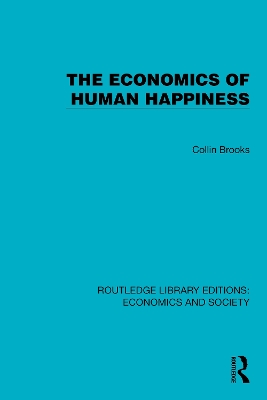
Economics of Human Happiness (1933) is a treatise on how to be happy and civilized. The function of applied economics is to make wants coincident and the average citizen doesn’t vote for a particular fiscal system but rather for a possibility of greater happiness. This book examines the various -isms to prescribe a better way forward.


Economics of Human Happiness (1933) is a loose treatise on how to be happy and civilized. The function of applied economics is to make wants coincident and the average citizen doesn’t vote for a particular fiscal system but rather for a possibility of greater happiness. This book examines the various -isms to prescribe a better way forward.

1. The Decay of Happiness
2. The Rise of the Rich
3. The Tyranny of
Trade
4. The Degradation of Parliament
5. The Economist Emerges
6. The
Meaning of Marxism
7. The Lesson Malthus
8. The Illusion of 1906
9. The Human
Needs
10. 1914 and 1926
11. From Boom to Crisis
12. Mr Norman and M. Kreuger
13. The New Tyrants
14. The Return to Humanism