Muutke küpsiste eelistusi

E-raamat: Embodiment of Divine Knowledge in Early Judaism

Teised raamatud teemal:
  • Formaat - EPUB+DRM
  • Hind: 54,59 €*
  • * hind on lõplik, st. muud allahindlused enam ei rakendu
  • Lisa ostukorvi
  • Lisa soovinimekirja
  • See e-raamat on mõeldud ainult isiklikuks kasutamiseks. E-raamatuid ei saa tagastada.
Teised raamatud teemal:

DRM piirangud

  • Kopeerimine (copy/paste):

    ei ole lubatud

  • Printimine:

    ei ole lubatud

  • Kasutamine:

    Digitaalõiguste kaitse (DRM)
    Kirjastus on väljastanud selle e-raamatu krüpteeritud kujul, mis tähendab, et selle lugemiseks peate installeerima spetsiaalse tarkvara. Samuti peate looma endale  Adobe ID Rohkem infot siin. E-raamatut saab lugeda 1 kasutaja ning alla laadida kuni 6'de seadmesse (kõik autoriseeritud sama Adobe ID-ga).

    Vajalik tarkvara
    Mobiilsetes seadmetes (telefon või tahvelarvuti) lugemiseks peate installeerima selle tasuta rakenduse: PocketBook Reader (iOS / Android)

    PC või Mac seadmes lugemiseks peate installima Adobe Digital Editionsi (Seeon tasuta rakendus spetsiaalselt e-raamatute lugemiseks. Seda ei tohi segamini ajada Adober Reader'iga, mis tõenäoliselt on juba teie arvutisse installeeritud )

    Seda e-raamatut ei saa lugeda Amazon Kindle's. 

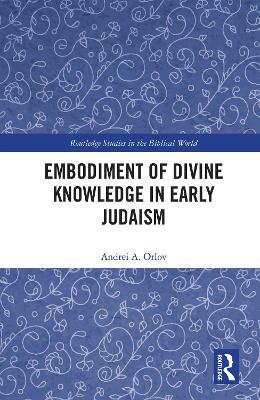
This book explores the early Jewish understanding of divine knowledge as divine presence, which is embodied in major biblical exemplars, such as Adam, Enoch, Jacob, and Moses.

The study treats the concept of divine knowledge as the embodied divine presence in its full historical and interpretive complexity by tracing the theme through a broad variety of ancient Near Eastern and Jewish sources, including Mesopotamian traditions of cultic statues, creational narratives of the Hebrew Bible, and later Jewish mystical testimonies. Orlov demonstrates that some biblical and pseudepigraphical accounts postulate that the theophany expresses the unique, corporeal nature of the deity that cannot be fully grasped or conveyed in some other non-corporeal symbolism, medium, or language. The divine presence requires another presence in order to be transmitted. To be communicated properly and in its full measure, the divine iconic knowledge must be "written" on a new living "body" which can hold the ineffable presence of God through a newly acquired ontology.

Embodiment of Divine Knowledge in Early Judaism

will provide an invaluable research to students and scholars in a wide range of areas within Jewish, Near Eastern, and Biblical Studies, as well as those studying religious elements of anthropology, philosophy, sociology, psychology, and gender studies. Through the study of Jewish mediatorial figures, this book also elucidates the roots of early Christological developments, making it attractive to Christian audiences.


This volume explores the early Jewish understanding of divine knowledge as divine presence, which is embodied in major biblical exemplars, such as Adam, Enoch, Jacob, and Moses.

Preface; Abbreviations; Introduction;
Chapter One: The Divine Image as the Hypostasis of Divine Knowledge;
Chapter Two: The Divine Face as the Hypostasis of Divine Knowledge;
Chapter Three: The Divine Name as the Hypostasis of Divine Knowledge;
Chapter Four: The Epistemology of Divine Presence and Pseudepigraphical Attribution; Conclusion; Bibliography; Index
Andrei A. Orlov is Professor of Judaism and Christianity in Antiquity at Marquette University, Milwaukee, USA. He is the author of eighteen books, including The Enoch-Metatron Tradition and The Glory of the Invisible God: Two Powers in Heaven Traditions and Early Christology.