Muutke küpsiste eelistusi
  • Formaat - EPUB+DRM
  • Hind: 54,59 €*
  • * hind on lõplik, st. muud allahindlused enam ei rakendu
  • Lisa ostukorvi
  • Lisa soovinimekirja
  • See e-raamat on mõeldud ainult isiklikuks kasutamiseks. E-raamatuid ei saa tagastada.

DRM piirangud

  • Kopeerimine (copy/paste):

    ei ole lubatud

  • Printimine:

    ei ole lubatud

  • Kasutamine:

    Digitaalõiguste kaitse (DRM)
    Kirjastus on väljastanud selle e-raamatu krüpteeritud kujul, mis tähendab, et selle lugemiseks peate installeerima spetsiaalse tarkvara. Samuti peate looma endale  Adobe ID Rohkem infot siin. E-raamatut saab lugeda 1 kasutaja ning alla laadida kuni 6'de seadmesse (kõik autoriseeritud sama Adobe ID-ga).

    Vajalik tarkvara
    Mobiilsetes seadmetes (telefon või tahvelarvuti) lugemiseks peate installeerima selle tasuta rakenduse: PocketBook Reader (iOS / Android)

    PC või Mac seadmes lugemiseks peate installima Adobe Digital Editionsi (Seeon tasuta rakendus spetsiaalselt e-raamatute lugemiseks. Seda ei tohi segamini ajada Adober Reader'iga, mis tõenäoliselt on juba teie arvutisse installeeritud )

    Seda e-raamatut ei saa lugeda Amazon Kindle's. 

This book combines environmental justice scholarship with a material ecocriticism to explore how early Victorian literature responded to the growing problem of environmental injustice. An indispensable resource for scholars and students working in the fields of Victorian literature, environmental justice, and ecocriticism.

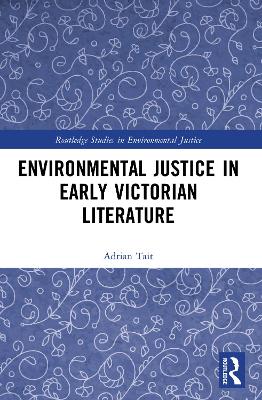

This innovative new book combines environmental justice scholarship with a material ecocriticism to explore the way in which early Victorian literature (1837–1860) responded to the growing problem of environmental injustice.

As this book emphasises, environmental injustice – simply, the convergence of poverty and pollution – was not an isolated phenomenon, but a structural form of inequality; a product of industrial modernity’s radical reformation of British society, it particularly affected the working classes. As each chapter reveals in detail, this form of environmental inequality (or ‘classism’) drew sharply critical reactions from figures as diverse as Thomas Carlyle, Friedrich Engels, Charles Dickens, and John Ruskin, and from within the Chartist movement, as working-class writers themselves reacted to the hazardous realities of a divided society. But as this book also reveals, these writers recognised that a truly just society respects the needs of the nonhuman and takes account of the material world in all its own aliveness; even if only tentatively, they reached for a more inclusive, emergent form of justice that might address the social and ecological impacts of industrial modernity, an idea which is no less relevant today.

This book represents an indispensable resource for scholars and students working in the fields of Victorian literature, environmental justice, and ecocriticism.

Introduction: The Victorian experience of environmental injustice
1.
Thomas Carlyles Condition-of-England Question
2. Friedrich Engels,
environmental classism, and social murder
3. Environmental determinism and
the Chartist counter-narrative
4. Seeking justice in Charles Dickenss Bleak
House
5. Beyond class, gender, species? Charles Dickenss Hard Times
6. John
Ruskins Unto this Last: Towards a deeper felicity Conclusion: Looking
forward
Adrian Tait is a UK-based independent scholar and ecocritic with a particular interest in Victorian literary responses to the impact of industrial modernity, and its relationship to questions of environmental and ecological injustice.