Muutke küpsiste eelistusi

E-raamat: Everyday Law for Seniors

  • Formaat: EPUB+DRM
  • Ilmumisaeg: 22-Jan-2019
  • Kirjastus: Routledge
  • Keel: eng
  • ISBN-13: 9781317260066
Teised raamatud teemal:
  • Formaat - EPUB+DRM
  • Hind: 63,69 €*
  • * hind on lõplik, st. muud allahindlused enam ei rakendu
  • Lisa ostukorvi
  • Lisa soovinimekirja
  • See e-raamat on mõeldud ainult isiklikuks kasutamiseks. E-raamatuid ei saa tagastada.
  • Formaat: EPUB+DRM
  • Ilmumisaeg: 22-Jan-2019
  • Kirjastus: Routledge
  • Keel: eng
  • ISBN-13: 9781317260066
Teised raamatud teemal:

DRM piirangud

  • Kopeerimine (copy/paste):

    ei ole lubatud

  • Printimine:

    ei ole lubatud

  • Kasutamine:

    Digitaalõiguste kaitse (DRM)
    Kirjastus on väljastanud selle e-raamatu krüpteeritud kujul, mis tähendab, et selle lugemiseks peate installeerima spetsiaalse tarkvara. Samuti peate looma endale  Adobe ID Rohkem infot siin. E-raamatut saab lugeda 1 kasutaja ning alla laadida kuni 6'de seadmesse (kõik autoriseeritud sama Adobe ID-ga).

    Vajalik tarkvara
    Mobiilsetes seadmetes (telefon või tahvelarvuti) lugemiseks peate installeerima selle tasuta rakenduse: PocketBook Reader (iOS / Android)

    PC või Mac seadmes lugemiseks peate installima Adobe Digital Editionsi (Seeon tasuta rakendus spetsiaalselt e-raamatute lugemiseks. Seda ei tohi segamini ajada Adober Reader'iga, mis tõenäoliselt on juba teie arvutisse installeeritud )

    Seda e-raamatut ei saa lugeda Amazon Kindle's. 

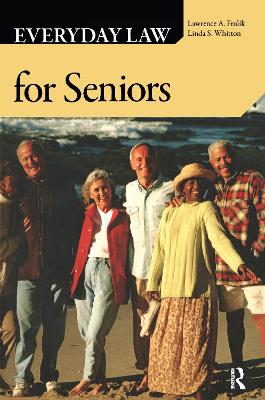
Seniors are a wide ranging and exponentially growing special status group that the law treats differentially with respect to rights, responsibilities, and benefits. This book is written to inform and assist seniors and those who care for them. The topics covered range from retirement strategies, housing options, and long-term care to federal benefit programs such as Social Security, Medicare, and Medicaid, and ultimately, to end of life decisions. Whether you are someone looking out for your parents; a new retiree concerned about your legal rights; or one of the growing number of "old old" eighty-five years or older who needs answers to confusing legal issues, this book provides essential information in clear language about timely topics such as reverse mortgages, long-term care insurance, powers of attorney, guardianship, and the hidden problem of elder abuse. Each chapter includes "Did You Know " opening outlines as well as web-based resources for additional information. The authors are nationally known elder law experts and are frequently asked to consult with national commissions, legislatures, bar associations, and individuals from every walk of life. In Everyday Law for Seniors, they provide advice appropriate for everyone, senior or not (yet).

Arvustused

Coverage of the new edition:

"Everyday Law for Seniors: A Guide For the Tough Questions" AARP Blog April 11, 2012.

"The Caregiver's Bookshelf: A Law Guide for Seniors" The New York Times New Old Age Blog April 2, 2012.

Praise for the original edition:

VERDICT: This comprehensive primer on elder law is useful not only to seniors and their families. By adding citations to primary statutory and regulatory authority, Frolik and Whitton make it useful to law library patrons as well. Library Journal

The clarity of the explanations in this book sets it apart from others. Everyday Law for Seniors provides a clear, concise, understandable tour of the most critical issues in law and aging. You will definitely want to share this book with friends and family, and if you work in a helping field, with clients. Charles P. Sabatino, Director, ABA Commission on Law and Aging

A clearly written, understandable, comprehensive legal guide. Edward D. (Ned) Spurgeon, Executive Director, Borchard Foundation Center on Law and Aging

Acknowledgments ix
1 Law and Seniors
1(12)
Who Are "Seniors"?
1(2)
Population Age Trends
3(1)
Physical Effects of Aging and Health Concerns
4(1)
Economic Vulnerability
5(1)
Social and Family Support
6(2)
Conflicting Values
8(5)
2 Age Discrimination in Employment
13(12)
The Age Discrimination in Employment Act
13(1)
Who Is Protected?
14(2)
Exceptions to the ADEA
16(1)
Proving Illegal Discrimination
17(3)
Employer Defenses
20(2)
Enforcement of the ADEA
22(1)
Voluntary Early Retirement Plans
22(1)
Older Workers Benefit Protection Act
23(1)
Remedies
23(2)
3 Social Security and Supplemental Security Income
25(18)
Social Security Eligibility
26(2)
Worker's Retirement Benefits
28(2)
Derivative Benefits
30(2)
Effect of Earnings after Retirement
32(1)
Taxation of Benefits
33(1)
Disability Benefits
34(1)
Application and Appeals Procedures
34(1)
Supplemental Security Income
35(1)
Benefits
35(1)
Eligibility for SSI Benefits
36(7)
4 Employer-Provided Retirement Benefits and IRAs
43(20)
Pension and Retirement Plans
44(11)
Qualified Plans
55(1)
How Pension and Retirement Plans Operate
55(1)
Spousal Benefits
56(1)
Payment of Benefits
56(2)
Nonqualified Employer-Provided Plans
58(1)
Welfare Benefit Plans
58(1)
Self-Employed Pension Plans (Keoghs)
59(1)
Individual Retirement Accounts
59(4)
5 Medicare
63(18)
Medicare Part A
64(6)
Medicare Part B
70(3)
Medicare Advantage
73(2)
Medicare Part D
75(2)
Medigap Insurance Policies
77(2)
The Best Medicare Plan for You
79(2)
6 Medicaid and Long-Term Care Insurance
81(20)
Medicaid Benefits
82(1)
Medicaid Eligibility
83(1)
Resource and Income Requirements
84(3)
Special Considerations for Married Individuals
87(4)
Asset Transfers
91(3)
Long-Term Care Insurance
94(7)
7 Housing
101(36)
Aging in Place
102(7)
Age-Restricted Housing
109(3)
Varieties of Retirement Housing
112(6)
Supportive Housing
118(7)
Nursing Homes
125(12)
8 Mental Incapacity, Guardianship, and Conservatorship
137(18)
Mental Capacity
138(1)
Guardianship
138(4)
Types of Guardianship
142(5)
Guardianship Procedures
147(4)
Costs of Guardianship
151(1)
Supervision of the Guardian
152(1)
Termination of the Guardianship
153(2)
9 Substitute Decisionmaking for Health Care and Property
155(14)
Substitute Decisionmaking for Health Care
156(4)
Substitute Decisionmaking for Property and Financial Management
160(9)
10 Elder Abuse, Neglect, and Exploitation
169(10)
What Are Abuse, Neglect, and Exploitation?
169(2)
Where Does Elder Abuse Occur?
171(2)
Causes of Abuse, Neglect, and Exploitation
173(1)
Solutions
173(6)
Index 179(10)
About the Authors 189
Lawrence A. Frolik, Linda S. Whitton