Muutke küpsiste eelistusi

E-raamat: Fandom, Feminism, and the Female Superhero on Film

  • Formaat: 136 pages
  • Ilmumisaeg: 05-Feb-2026
  • Kirjastus: Bloomsbury Academic
  • Keel: eng
  • ISBN-13: 9798216254911
  • Formaat - PDF+DRM
  • Hind: 87,75 €*
  • * hind on lõplik, st. muud allahindlused enam ei rakendu
  • Lisa ostukorvi
  • Lisa soovinimekirja
  • See e-raamat on mõeldud ainult isiklikuks kasutamiseks. E-raamatuid ei saa tagastada.
  • Formaat: 136 pages
  • Ilmumisaeg: 05-Feb-2026
  • Kirjastus: Bloomsbury Academic
  • Keel: eng
  • ISBN-13: 9798216254911

DRM piirangud

  • Kopeerimine (copy/paste):

    ei ole lubatud

  • Printimine:

    ei ole lubatud

  • Kasutamine:

    Digitaalõiguste kaitse (DRM)
    Kirjastus on väljastanud selle e-raamatu krüpteeritud kujul, mis tähendab, et selle lugemiseks peate installeerima spetsiaalse tarkvara. Samuti peate looma endale  Adobe ID Rohkem infot siin. E-raamatut saab lugeda 1 kasutaja ning alla laadida kuni 6'de seadmesse (kõik autoriseeritud sama Adobe ID-ga).

    Vajalik tarkvara
    Mobiilsetes seadmetes (telefon või tahvelarvuti) lugemiseks peate installeerima selle tasuta rakenduse: PocketBook Reader (iOS / Android)

    PC või Mac seadmes lugemiseks peate installima Adobe Digital Editionsi (Seeon tasuta rakendus spetsiaalselt e-raamatute lugemiseks. Seda ei tohi segamini ajada Adober Reader'iga, mis tõenäoliselt on juba teie arvutisse installeeritud )

    Seda e-raamatut ei saa lugeda Amazon Kindle's. 
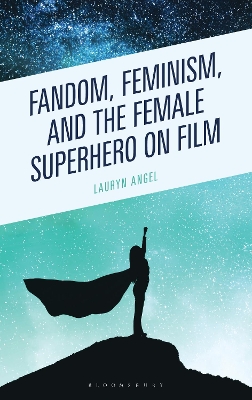
Are the growing numbers of superheroines we see on screen truly breaking boundaries and providing new models of female representation, or do they instead fall prey to the pitfalls of postfeminist representation and toxic fandom dynamics? Lauryn Angel applies a critical feminist lens to the influx of female superheroes within the Marvel Cinematic Universe and DC Extended Universe and compares them to their comic book counterparts to interrogate both the promises and perils of this cinematic landscape and its fanbases. Rather than promoting equity and diversity, Angel posits, many of these characters become stuck in the mire of one-dimensional tropes that perpetuate the idea that feminine experiences are one-size-fits-all. This inaccurate representation is compounded by toxic fans-also known as anti-fans-of the superhero genre who argue that any female superhero is nothing more than a cog in the "e;woke"e; agenda. Ultimately, Angel finds that the most positive representations also prompt the loudest outcry from anti-fans, further complicating the minefield of competing motivations around the prominence and accuracy of feminist representation in a postfeminist landscape.