Muutke küpsiste eelistusi
  • Formaat - EPUB+DRM
  • Hind: 59,79 €*
  • * hind on lõplik, st. muud allahindlused enam ei rakendu
  • See e-raamat ei ole veel ilmunud. Saate seda tellida alles alates: 05-Jun-2026
  • Lisa soovinimekirja
  • See e-raamat on mõeldud ainult isiklikuks kasutamiseks. E-raamatuid ei saa tagastada.

DRM piirangud

  • Kopeerimine (copy/paste):

    ei ole lubatud

  • Printimine:

    ei ole lubatud

  • Kasutamine:

    Digitaalõiguste kaitse (DRM)
    Kirjastus on väljastanud selle e-raamatu krüpteeritud kujul, mis tähendab, et selle lugemiseks peate installeerima spetsiaalse tarkvara. Samuti peate looma endale  Adobe ID Rohkem infot siin. E-raamatut saab lugeda 1 kasutaja ning alla laadida kuni 6'de seadmesse (kõik autoriseeritud sama Adobe ID-ga).

    Vajalik tarkvara
    Mobiilsetes seadmetes (telefon või tahvelarvuti) lugemiseks peate installeerima selle tasuta rakenduse: PocketBook Reader (iOS / Android)

    PC või Mac seadmes lugemiseks peate installima Adobe Digital Editionsi (Seeon tasuta rakendus spetsiaalselt e-raamatute lugemiseks. Seda ei tohi segamini ajada Adober Reader'iga, mis tõenäoliselt on juba teie arvutisse installeeritud )

    Seda e-raamatut ei saa lugeda Amazon Kindle's. 
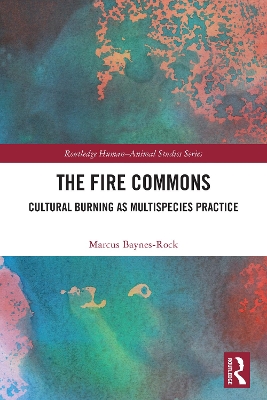
This book explores the multispecies dimensions of First Nations burning practices and shows how these integrate with Aboriginal ontologies to resist the ideological and structural violence of colonisation.


This book explores the multispecies dimensions of First Nations burning practices and shows how these integrate with Aboriginal ontologies to resist the ideological and structural violence of colonization.

Under the shadow of climate-driven catastrophes, cultural burning is undergoing a resurgence as a tradition-based remedy to contemporary ecological breakdown. However, while colonial states offer support for cultural burning programmes, they simultaneously threaten to undermine their ideological foundations. This book describes a world of relational, multispecies land management in which Indigenous relations with land challenge the colonial triumvirate of modernity, state, and capitalism. By telling the stories of these human/animal entanglements it suggests pathways towards democratizing fire so that land management can be truly decolonized.

Serving as an intervention in contemporary environmental discourse, advocating for a more holistic and relational understanding of fire in the Anthropocene, this book will appeal to policymakers, conservationists, and researchers in the fields of environmental sciences, ecology, human geography, Indigenous studies, and posthumanism.

1 Re-Storying as Method in Multispecies Studies
2 Digging Mammals and Fire Ecologies in Australian Landscapes
3 Contemporary Cultural Burning Grounded in Tradition
4 Macropods and Lizards Compelling People to Burn
5 A Question of More-than-Human Agency
6 Birds Altering Landscapes beyond the Fire Lines
7 Cultural Burning versus Colonial Unmaking
Marcus Baynes-Rock is an anthropologist who studies the cultural interfaces of humans and other animals. His first book, Among the Bone Eaters, is a narrative of intersubjectivity with urban hyenas in the town of Harar, Ethiopia. His second book, Crocodile Undone, is a critical examination of the domestication of native animals in Australia. His writing deploys critiques of modernity and capitalism in order to arrest the unmaking of the Earth.