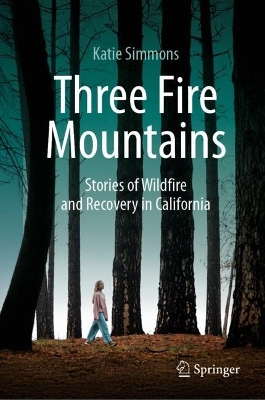
This book explores the varying effects of wildfire on individuals, families, communities, and governments as local and State agencies in California grapple with the realities of recovery. The field of wildfire recovery is an industry in design. Policies, procedures, and funding rules and regulations for recovery change with each disaster, which means there is no predictability, capacity-building, nor system/design being built in California as communities are destroyed/impacted by fire. Even in Butte County, impacted by 12 federally declared disasters in the past 10 years and home to the deadliest and most destructive fire in State history, each recovery process requires the application of different requirements which prolongs recovery and, as a result, suffering. Because of this, recovery adds hardship to the trauma of fire which erodes the ability of professionals and agencies to be effective. This book offers insights and examples of these hardships for the purpose of exposing the inconsistencies and misalignments within State and federal policy that suppress recovery, and recommendations to adopt new definitions and approaches that cut down on complexity and begin to frame up industry design. There is a better way! The book outlines the ways in which State and federal agencies can codify and localize their approaches to wildfire recovery, beginning to parse out the differences between recovering from an urban fire and rural wildland fire, and key recovery pace and scale indicators such as ownership versus renting, municipal infrastructure versus wells/septic, insurability/underinsurance. There are highly defined and practiced approaches to response and early recovery, and this book proposes to use a similar approach for long-term recovery design so professionals enter a known, defined, but adaptive-in-the-moment field. What makes this book distinctive is acknowledging the thread of trauma throughout fire, aftermath, and recovery. Trauma is the inconvenient truth of wildfire, unavoidable and destructive in its own right. Recovery professionals are subject to secondary trauma through working directly with survivors through the hardship of recovery programs. Wildfire trauma complicates family and friend relationships in a myriad of ways because, community wide, the source of trauma is the same but the impacts are different. Trauma can be the single reason an individual fails to recover when, time after time, resources and support are offered and refused. By not acknowledging trauma in the workplace after disaster, burnout and resentment are difficult to name and address. Using a trauma-informed approach, or just building awareness about what trauma looks like after wildfire, consultants and recovery professionals can reduce or at least neutralize the hardship individuals and communities experience during long-term recovery.

 Lisainfo e-raamatute kohta