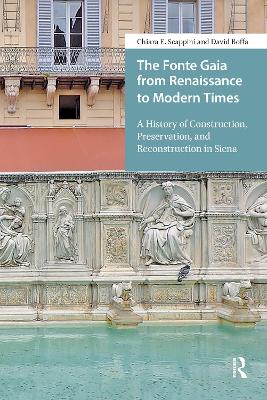
This book details the history of the beautiful Fonte Gaia in Siena, Italy. Created in the fifteenth century, the fountain was eventually replaced by a copy in the nineteenth century—a copy which itself is now old enough to need preservation. This book looks at the Italian Renaissance through the fate of the fountain, showing how both the Risorgimento and Purism have shaped our perceptions of the period and its art.
|
|
|
7 | (8) |
| Abbreviations |
|
15 | (2) |
| Acknowledgments |
|
17 | (2) |
| Preface |
|
19 | (6) |
|
|
|
25 | (26) |
|
|
|
31 | (4) |
|
Early Medieval Italian Fountains |
|
|
35 | (12) |
|
|
|
47 | (4) |
|
|
|
51 | (58) |
|
The Contract for the First Fountain |
|
|
53 | (2) |
|
Decoration of the First Fountain |
|
|
55 | (8) |
|
Sources of Water for the Fountain |
|
|
63 | (1) |
|
The History of the First Fountain |
|
|
64 | (5) |
|
Jacopo della Quercia's Fonte Gaia and Its Chronology |
|
|
69 | (3) |
|
Identifying the Fonte Gaia's Parapet Sculptures |
|
|
72 | (13) |
|
Acca Larentia and Rhea Silvia |
|
|
75 | (10) |
|
Jacopo della Quercia's Parapet Statues |
|
|
85 | (5) |
|
|
|
86 | (4) |
|
Why the Fonte Gaia's Parapet Sculptures Were Changed to Refer to Gaia, and Other Precedents for Its Iconography |
|
|
90 | (12) |
|
The Influence of Jacopo della Quercia's Fonte Gaia in the Fifteenth Century |
|
|
102 | (7) |
|
|
|
109 | (54) |
|
Why the Fonte Gaia Was Damaged In Situ |
|
|
109 | (15) |
|
Jacopo della Quercia's Choice of Materials |
|
|
109 | (5) |
|
Civic Events and Festivals: Bull Hunts, Markets, Buffalo Races, Palio |
|
|
114 | (10) |
|
The Removal of the Fountain |
|
|
124 | (3) |
|
Milanesi's Crusade to Save the Fonte Gaia |
|
|
127 | (6) |
|
Sarrocchi Carves a Replacement for della Quercia's Fonte Gaia |
|
|
133 | (3) |
|
The Fate of della Quercia's Sculptures after Removal from the Piazza del Campo |
|
|
136 | (8) |
|
The Relationship between Brum's Drawings and Sarrocchi's Sculptures |
|
|
144 | (9) |
|
Cleaning della Quercia's Fountain Pieces |
|
|
153 | (3) |
|
New Discoveries: What the Restoration Uncovered |
|
|
156 | (7) |
|
4 The Nineteenth-Century Fonte Gaia |
|
|
163 | (50) |
|
|
|
165 | (19) |
|
Sarrocchi in Antonio Manetti's Studio |
|
|
165 | (4) |
|
|
|
169 | (3) |
|
The Artistic Climate at the Academy: Lorenzo Bartolini and Giovanni Dupre |
|
|
172 | (3) |
|
|
|
175 | (9) |
|
|
|
184 | (3) |
|
Sarrocchi's Fonte Gaia Commission and Reception |
|
|
187 | (3) |
|
Faithful Copy or Purist Revision? A Comparison of Sarrocchi's Fonte Gaia and della Quercia's Original Monument |
|
|
190 | (20) |
|
|
|
210 | (3) |
| Appendix I Preliminary Research on the Condition of the Fonte Gaia |
|
213 | (2) |
| Appendix II Dismantling and Cleaning the Fonte Gaia |
|
215 | (4) |
| Documents |
|
219 | (10) |
| Bibliography |
|
229 | (16) |
| Index |
|
245 | |
Chiara Scappini received her PhD in Italian Renaissance art history from Rutgers, the State University of New Jersey, in 2011. Dr. Scappini, a recipient of a Kress Fellowship at the Kunsthistorisches Institute in Florence, is currently the Associate Director of FSU's Florence Abroad Program. David Boffa is an Adjunct Assistant Professor of Art History at Beloit College in Wisconsin.

 Lisainfo e-raamatute kohta