Muutke küpsiste eelistusi

E-raamat: Forgotten Qur'ans of the Eastern Islamic World: Manuscripts of the Ghaznavid and Ghurid Dynasties, 11th-12th Centuries CE

(Orient-Institut Beirut)
Teised raamatud teemal:
  • Formaat - PDF+DRM
  • Hind: 216,12 €*
  • * hind on lõplik, st. muud allahindlused enam ei rakendu
  • Lisa ostukorvi
  • Lisa soovinimekirja
  • See e-raamat on mõeldud ainult isiklikuks kasutamiseks. E-raamatuid ei saa tagastada.
Teised raamatud teemal:

DRM piirangud

  • Kopeerimine (copy/paste):

    ei ole lubatud

  • Printimine:

    ei ole lubatud

  • Kasutamine:

    Digitaalõiguste kaitse (DRM)
    Kirjastus on väljastanud selle e-raamatu krüpteeritud kujul, mis tähendab, et selle lugemiseks peate installeerima spetsiaalse tarkvara. Samuti peate looma endale  Adobe ID Rohkem infot siin. E-raamatut saab lugeda 1 kasutaja ning alla laadida kuni 6'de seadmesse (kõik autoriseeritud sama Adobe ID-ga).

    Vajalik tarkvara
    Mobiilsetes seadmetes (telefon või tahvelarvuti) lugemiseks peate installeerima selle tasuta rakenduse: PocketBook Reader (iOS / Android)

    PC või Mac seadmes lugemiseks peate installima Adobe Digital Editionsi (Seeon tasuta rakendus spetsiaalselt e-raamatute lugemiseks. Seda ei tohi segamini ajada Adober Reader'iga, mis tõenäoliselt on juba teie arvutisse installeeritud )

    Seda e-raamatut ei saa lugeda Amazon Kindle's. 
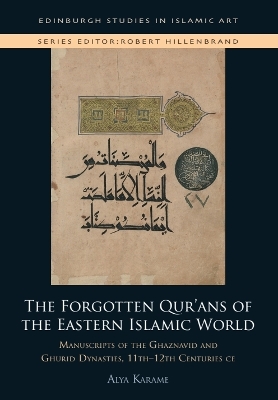
The Ghaznavid and Ghurid Qur'ans (c. eleventh-Twelfth centuries CE), studied for the first time as a corpus, inform of how the Qur'an was copied at the beginning of a transformative period in the history of its production when paper, new scripts and the vertical format were adopted. As the book illustrates the ways in which local visual trends were shaped out of diachronic and synchronic multidirectional movement within a medieval landscape that was continuously in flux, it shifts the focus to the eastern frontiers of the Islamic world, reclaiming them as centres of cultural production. It is by contextualising the Qur'an's materiality within the religious, social and political context that the book 'rehumanises' them offering an understanding of how the manuscripts were conceived, produced and used, up until our day.