Muutke küpsiste eelistusi

E-raamat: Fosterage in Medieval Ireland: An Emotional History

  • Formaat - PDF+DRM
  • Hind: 59,79 €*
  • * hind on lõplik, st. muud allahindlused enam ei rakendu
  • Lisa ostukorvi
  • Lisa soovinimekirja
  • See e-raamat on mõeldud ainult isiklikuks kasutamiseks. E-raamatuid ei saa tagastada.

DRM piirangud

  • Kopeerimine (copy/paste):

    ei ole lubatud

  • Printimine:

    ei ole lubatud

  • Kasutamine:

    Digitaalõiguste kaitse (DRM)
    Kirjastus on väljastanud selle e-raamatu krüpteeritud kujul, mis tähendab, et selle lugemiseks peate installeerima spetsiaalse tarkvara. Samuti peate looma endale  Adobe ID Rohkem infot siin. E-raamatut saab lugeda 1 kasutaja ning alla laadida kuni 6'de seadmesse (kõik autoriseeritud sama Adobe ID-ga).

    Vajalik tarkvara
    Mobiilsetes seadmetes (telefon või tahvelarvuti) lugemiseks peate installeerima selle tasuta rakenduse: PocketBook Reader (iOS / Android)

    PC või Mac seadmes lugemiseks peate installima Adobe Digital Editionsi (Seeon tasuta rakendus spetsiaalselt e-raamatute lugemiseks. Seda ei tohi segamini ajada Adober Reader'iga, mis tõenäoliselt on juba teie arvutisse installeeritud )

    Seda e-raamatut ei saa lugeda Amazon Kindle's. 

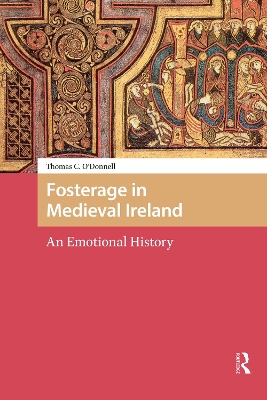
Fosterage was a central feature of medieval Irish society, yet the widespread practice of sending children to another family to be cared for until they reached adulthood is a surprisingly neglected topic. Where it has been discussed, fosterage is usually conceptualised and treated as a purely legal institution. This work seeks to outline the emotional impact of growing up within another family. What emerges is a complex picture of deeply felt emotional ties binding the foster family together. These emotions are unique to the social practice of fosterage, and we see the language and feelings originating within the foster family being used to describe other relationships such as those in the monastery or between humans and animals. This book argues that the more we understand how people felt in fosterage, the more we understand medieval Ireland. Novel treatment of medieval Irish sources Uses wide variety of genres of comment on the history of emotion Fills a gap in our understanding of fosterage as central to medieval Irish society.

Arvustused

"With Fosterage in Medieval Ireland: An Emotional History, Thomas ODonnell has written the first book-length work on fosterage in the Middle Ages. This is an accomplishment to be celebrated. [ ...] ODonnells work is groundbreaking and will be the study to reference when thinking about fosterage in the near future." - Lahney Preston-Matto, Adelphi University, Journal of British Studies, June 2021

Abbreviations 9(2)
Acknowledgements 11(2)
Introduction 13(22)
What is fosterage?
14(7)
An emotional history of fosterage
21(4)
Methodological approach
25(5)
The chapters
30(5)
1 Cu Chulainn and Expressions of Foster Fatherhood
35(34)
Conchobur and the role of the maternal uncle
38(7)
The language of fosterage
45(8)
Multiple fosterage and emotions
53(6)
Foster fatherhood beyond infancy
59(7)
How many foster fathers is too many foster fathers?
66(3)
2 Who Makes a Foster Sibling?
69(30)
Cu Chulainn, Conall Cernach and Finnchoem
72(5)
The fosterage in Alba
77(6)
Fer Diad, death and how to mourn
83(12)
Foster brotherhood: A lost idyll
95(4)
3 Identity within Fosterage
99(32)
Holy brother, foster brother
101(7)
Fosterage and social standing
108(8)
Fianna: Where everyone is a foster sibling?
116(12)
Creating foster identity
128(3)
4 Fosterage in the Medieval Irish Church
131(42)
Isucan
135(9)
The Christ Child elsewhere in Middle Irish
144(7)
Miraculous fosterage in saints' lives
151(12)
Monastic fosterage and oblation
163(7)
Divine metaphor and mortal practice
170(3)
5 Animal Fosterage: A Bestial Parallel?
173(32)
St Ailbe and Cormac mac Airt
177(3)
Children gone to the dogs
180(8)
Relationships beyond suckling
188(5)
A permeable boundary between human and animal
193(5)
Becoming human
198(4)
Through an animal darkly
202(3)
Conclusion
205(12)
Drawing the chapters together
207(5)
Revisiting the methodology
212(5)
Bibliography
217(18)
Manuscript sources
217(1)
Primary sources
218(5)
Secondary sources
223(12)
About the Author 235(2)
Index 237
Dr Thomas C. O'Donnell is an Honorary Research Fellow at University College London.