Muutke küpsiste eelistusi

E-raamat: Fractured Britannia: The Twilight of Roman Britain

(University of Reading)
Teised raamatud teemal:
  • Formaat - PDF+DRM
  • Hind: 4,08 €*
  • * hind on lõplik, st. muud allahindlused enam ei rakendu
  • Lisa ostukorvi
  • Lisa soovinimekirja
  • See e-raamat on mõeldud ainult isiklikuks kasutamiseks. E-raamatuid ei saa tagastada.
Teised raamatud teemal:

DRM piirangud

  • Kopeerimine (copy/paste):

    ei ole lubatud

  • Printimine:

    ei ole lubatud

  • Kasutamine:

    Digitaalõiguste kaitse (DRM)
    Kirjastus on väljastanud selle e-raamatu krüpteeritud kujul, mis tähendab, et selle lugemiseks peate installeerima spetsiaalse tarkvara. Samuti peate looma endale  Adobe ID Rohkem infot siin. E-raamatut saab lugeda 1 kasutaja ning alla laadida kuni 6'de seadmesse (kõik autoriseeritud sama Adobe ID-ga).

    Vajalik tarkvara
    Mobiilsetes seadmetes (telefon või tahvelarvuti) lugemiseks peate installeerima selle tasuta rakenduse: PocketBook Reader (iOS / Android)

    PC või Mac seadmes lugemiseks peate installima Adobe Digital Editionsi (Seeon tasuta rakendus spetsiaalselt e-raamatute lugemiseks. Seda ei tohi segamini ajada Adober Reader'iga, mis tõenäoliselt on juba teie arvutisse installeeritud )

    Seda e-raamatut ei saa lugeda Amazon Kindle's. 

How did objects of dress and coinage shape power and identity in late Roman Britain?


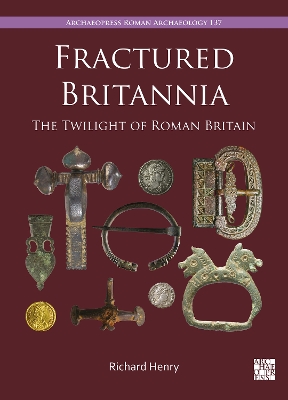
Fractured Britannia provides an in-depth examination of the distribution of coinage and elite items of Roman dress in later and sub-Roman Britain, offering new perspectives on a period of profound social and political change. While previous research has sought to distinguish groups serving the Roman state, identifying them in the archaeological record remains challenging.


The military and the civil administration relied on hierarchical structures and used similar objects to indicate rank and status. At the same time, local elites, responsible for much of the practical administration of Britain, began to adopt military styles of dress. These changes led to a clear evolution in dress accessories over the fourth century.


Five extensive datasets on crossbow brooches, belt fittings, spurs, penannular brooches, and coins are examined systematically in combination. Previously studied in isolation, these objects reveal insights into social identity, regional variation, and the persistence or abandonment of Roman material culture. The evidence shows that while some regions continued relatively unchanged into the fifth century, others abandoned recognisably Roman forms as early as AD 375. By assessing existing methodologies, revising typologies, and mapping artefact distributions, this book highlights key patterns across sites and regions and makes large datasets publicly available.


Ultimately, the study provides a chronological and geographic framework for understanding how Roman Britain transitioned into smaller post-Roman polities. It analyses the differential use of material culture across site types and compares patterns with the continent, shedding light on the transformation of Britains society and identity in the sub-Roman and early medieval world.
List of Figures


List of Tables


Acknowledgements  


Introduction


1. A Brief Outline of the History of Late Roman Britain


2. Varying Lenses: Academic Reflections on the End of Roman Britain


3. The Diocese of Britain


4. Recognising a Soldier or Official


5. Identity and Material Culture


6. Aims, Objectives and Methodological Approaches


7. Crossbow Brooches


8. The Cingulum Militare and Associated Belt Fittings


9. Spurs


10. Penannular Brooches


11. Coinage


12. Siliquae and Solidi


13. A Chronological and Geographical Overview of the Evidence


14. Peeling Back the Layers: Roles and Regalia in Late Roman Society


15. Dissolving Threads, the Transformation from a Roman Diocese to Emerging
Post-Roman Polities


Conclusion    


Bibliography
Richard Henry is Curator of Archaeology at Southampton City Council. A finds specialist and numismatist, he has published extensively on the archaeology of Britain, with a particular focus on late Roman Britain and the fifth-century transition. This book is based on his doctoral research at the University of Reading.