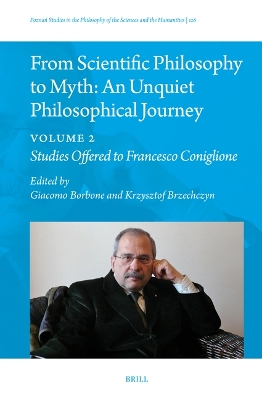
Philosophical work can be analyzed from two points of view, the historical and the systematic one. Papers gathered in this book examine the work of Francesco Coniglione from these two poles of philosophical analysis. From the historical point of view, the contributors ask what Coniglione meant when he made certain statements. From the systematic point of view, a given statement is ascribed a particular meaning because it provides the answer to the interpreters questions, which are culturally significant for the interpreter himself and the society he is living in.
This volume gathers work that highlights the interpretive dimensions of philosophical inquiry by focusing on historical and systematic interpretation in the corpus of Francesco Coniglione. While historical interpretation seeks to reconstruct an authors original intent within its biographical and cultural context, systematic interpretation reconfigures philosophical ideas in light of contemporary concerns, thereby emphasising logical coherence and relevance over fidelity to historical events. Through this lens, the volume examines enduring debates and illustrates how divergent interpretive approaches yield contrasting philosophical insights. The essays are organised into two parts. In the first part, contributions address the historical contexts of philosophy, and in the second contributors show how cultural and social frameworks shape philosophical reflection. Conigliones work, as you may expect, remains a guiding presence, and his works inspire discussions across epistemology, ontology, science studies, and the history of Polish analytic philosophy. This volume which also contains a rich and analytical discussion by Francesco Coniglione of the included contributions, which deepens and further enriches the framework of his thought invites readers to consider how interpretation itself becomes a philosophical act, one that bridges past and present, author and reader, reason and myth. It is an essential companion for scholars interested in the evolving methods of philosophical analysis and the cultural embeddedness of philosophical thought. Joseph Ulatowski, University of Waikato, New Zealand

 Lisainfo e-raamatute kohta