Muutke küpsiste eelistusi

E-raamat: Fulci's Inferno: Faith in the Films of a Horror and Giallo Auteur

  • Formaat: 264 pages
  • Ilmumisaeg: 23-Jan-2026
  • Kirjastus: McFarland & Co Inc
  • Keel: eng
  • ISBN-13: 9781476655598
  • Formaat - EPUB+DRM
  • Hind: 33,14 €*
  • * hind on lõplik, st. muud allahindlused enam ei rakendu
  • Lisa ostukorvi
  • Lisa soovinimekirja
  • See e-raamat on mõeldud ainult isiklikuks kasutamiseks. E-raamatuid ei saa tagastada.
  • Formaat: 264 pages
  • Ilmumisaeg: 23-Jan-2026
  • Kirjastus: McFarland & Co Inc
  • Keel: eng
  • ISBN-13: 9781476655598

DRM piirangud

  • Kopeerimine (copy/paste):

    ei ole lubatud

  • Printimine:

    ei ole lubatud

  • Kasutamine:

    Digitaalõiguste kaitse (DRM)
    Kirjastus on väljastanud selle e-raamatu krüpteeritud kujul, mis tähendab, et selle lugemiseks peate installeerima spetsiaalse tarkvara. Samuti peate looma endale  Adobe ID Rohkem infot siin. E-raamatut saab lugeda 1 kasutaja ning alla laadida kuni 6'de seadmesse (kõik autoriseeritud sama Adobe ID-ga).

    Vajalik tarkvara
    Mobiilsetes seadmetes (telefon või tahvelarvuti) lugemiseks peate installeerima selle tasuta rakenduse: PocketBook Reader (iOS / Android)

    PC või Mac seadmes lugemiseks peate installima Adobe Digital Editionsi (Seeon tasuta rakendus spetsiaalselt e-raamatute lugemiseks. Seda ei tohi segamini ajada Adober Reader'iga, mis tõenäoliselt on juba teie arvutisse installeeritud )

    Seda e-raamatut ei saa lugeda Amazon Kindle's. 
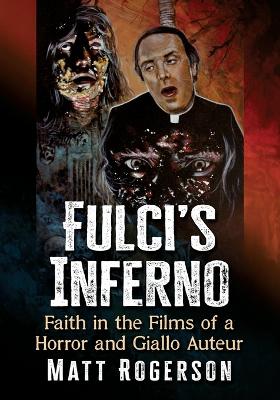
Italian director Lucio Fulci garnered an international cult following for his horror and giallo films--especially his zombie horror cycle of the late 1970s and early 1980s, films that were censored and censured by moral guardians around the world and were prosecuted in the UK as part of the "Video Nasties" controversy.

There is, however, much more to Fulci, his filmography, and his legacy. In his home country, Fulci worked across a number of genres (including comedy and satire, western, historical drama and family adventure) and regularly criticized the Church and state through his films. The director wove a faith-based narrative from his earliest credits as a screenwriter and assistant director in the 1950s to his final films as director in the 1990s.

This book analyzes how the tenets and iconography of Fulci's Roman Catholic faith appear in his films, plotting an apostate's journey through his art in the vein of celebrated Italian artists before him. The volume also considers how exploring his faith and apostasy through his films led Fulci to develop an entirely new storytelling mechanism which has influenced genre directors ever since.