Muutke küpsiste eelistusi

E-raamat: Gender, AIDS and food security: Culture and vulnerability in rural Cote d'Ivoire

  • Formaat: PDF+DRM
  • Sari: AWLAE 11
  • Ilmumisaeg: 04-Sep-2023
  • Kirjastus: Wageningen Academic Publishers
  • Keel: eng
  • ISBN-13: 9789086867158
  • Formaat - PDF+DRM
  • Hind: 106,08 €*
  • * hind on lõplik, st. muud allahindlused enam ei rakendu
  • Lisa ostukorvi
  • Lisa soovinimekirja
  • See e-raamat on mõeldud ainult isiklikuks kasutamiseks. E-raamatuid ei saa tagastada.
  • Formaat: PDF+DRM
  • Sari: AWLAE 11
  • Ilmumisaeg: 04-Sep-2023
  • Kirjastus: Wageningen Academic Publishers
  • Keel: eng
  • ISBN-13: 9789086867158

DRM piirangud

  • Kopeerimine (copy/paste):

    ei ole lubatud

  • Printimine:

    ei ole lubatud

  • Kasutamine:

    Digitaalõiguste kaitse (DRM)
    Kirjastus on väljastanud selle e-raamatu krüpteeritud kujul, mis tähendab, et selle lugemiseks peate installeerima spetsiaalse tarkvara. Samuti peate looma endale  Adobe ID Rohkem infot siin. E-raamatut saab lugeda 1 kasutaja ning alla laadida kuni 6'de seadmesse (kõik autoriseeritud sama Adobe ID-ga).

    Vajalik tarkvara
    Mobiilsetes seadmetes (telefon või tahvelarvuti) lugemiseks peate installeerima selle tasuta rakenduse: PocketBook Reader (iOS / Android)

    PC või Mac seadmes lugemiseks peate installima Adobe Digital Editionsi (Seeon tasuta rakendus spetsiaalselt e-raamatute lugemiseks. Seda ei tohi segamini ajada Adober Reader'iga, mis tõenäoliselt on juba teie arvutisse installeeritud )

    Seda e-raamatut ei saa lugeda Amazon Kindle's. 
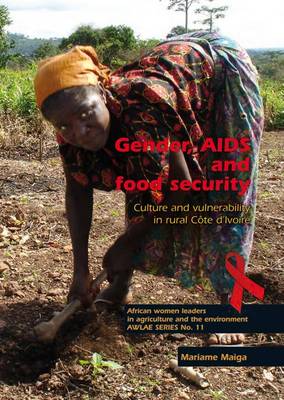
This book is about the effects of AIDS on women and food security in C(te d'Ivoire, West Africa. AIDS is more than a problem. Rural households and women in particular have to cope with the lack of labour in agriculture which threatens their food security. For the matrilineal Agni women land ownership appears to be an unexpected burden, rather than a safeguard from poverty. Culture matters, but not in similar ways everywhere. Matrilineal or patrilineal kinship organisation, gender inequality, and norms about sexual relationships very much influence the differences in Agni and migrant women's vulnerability to AIDS. African women are often seen as victims of AIDS. This study shows that women may also use their creativity and social networks to battle and to be resilient against the effects of the illness in their everyday household activities.

Using a combination of quantitative statistical data and qualitative methods, this research questions the effectiveness of mainstream AIDS policy and interventions in C(te d'lvoire. Victimising the poor does not help. Instead, multi-sector policy intervention can mitigate the social effects of AIDS by improving household food security and by changing cultural practices through local leaders who have historical legitimacy and power.