Muutke küpsiste eelistusi

E-raamat: Global Trade in the Early Medieval World: The Movement of Wealth, Spice and Medicine, 700-1100

  • Formaat - EPUB+DRM
  • Hind: 59,79 €*
  • * hind on lõplik, st. muud allahindlused enam ei rakendu
  • Lisa ostukorvi
  • Lisa soovinimekirja
  • See e-raamat on mõeldud ainult isiklikuks kasutamiseks. E-raamatuid ei saa tagastada.
  • Raamatukogudele

DRM piirangud

  • Kopeerimine (copy/paste):

    ei ole lubatud

  • Printimine:

    ei ole lubatud

  • Kasutamine:

    Digitaalõiguste kaitse (DRM)
    Kirjastus on väljastanud selle e-raamatu krüpteeritud kujul, mis tähendab, et selle lugemiseks peate installeerima spetsiaalse tarkvara. Samuti peate looma endale  Adobe ID Rohkem infot siin. E-raamatut saab lugeda 1 kasutaja ning alla laadida kuni 6'de seadmesse (kõik autoriseeritud sama Adobe ID-ga).

    Vajalik tarkvara
    Mobiilsetes seadmetes (telefon või tahvelarvuti) lugemiseks peate installeerima selle tasuta rakenduse: PocketBook Reader (iOS / Android)

    PC või Mac seadmes lugemiseks peate installima Adobe Digital Editionsi (Seeon tasuta rakendus spetsiaalselt e-raamatute lugemiseks. Seda ei tohi segamini ajada Adober Reader'iga, mis tõenäoliselt on juba teie arvutisse installeeritud )

    Seda e-raamatut ei saa lugeda Amazon Kindle's. 

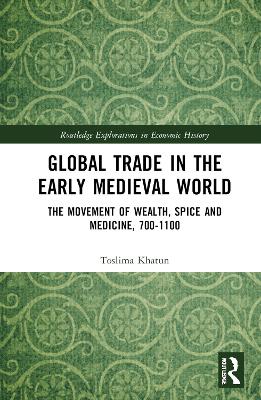
Exploring the movement of peoples, perfumes and spices across vast distances in this period of medieval history across Asia, the Middle East, and Europe, this book examines the role of Arab merchants in trade between and among the Caliphal and Carolingian elites.


Exploring the movement of peoples, perfumes and spices across vast distances in this period of medieval history across Asia, the Middle East, and Europe, this book examines the role of Arab merchants in trade between and among the Caliphal and Carolingian elites.

The study of the trade in perfumes and spices highlights the relationship between the South Asian subcontinent and the Caliphate. It is shown that the societies involved in this intercontinental maritime trade intermingled through the demand for goods and products which allowed for the transmission of ideas and learning. Crucially, the Eurasian end of these trading routes were tapping into pre-existing networks of trade as there is evidence that there were links of trade between East Asia and the near and Middle East as early as the seventh century B.H./first century A.D. Thus, the book challenges the Eurocentric worldview which fails to take into account that the Europeans in the late medieval period came into a pre-existing trading network.

This book will be of interest to readers in economic history as well as the history of trade, globalization, South Asia, the Middle East and the Medieval world.

Introduction
1. The Historiography what do we already know? 2.The
forgotten accounts of Chinas long history in the Islamic World 3.Early
Medieval Indian Ocean Trade from 80-494 A.H./700-1100 A.D
4. Trade with
Caliphs, theologians, and philosophers 5.Christendom and the Caliphate
Conclusion Bibliography
Toslima Khatun is a post- doctoral researcher and lecturer at Kings College London specialising in the politics around pandemics and public health. She has a dual discipline of History and Public Health Policy. She has a Masters in Medieval History and a PhD in Near and Middle Eastern Studies focusing on the legacies of globalisation and what that has meant for the known world. Her other works include Making Health Public, A Manifesto for a New Social Contract where she outlines how we need to learn from the past.