Muutke küpsiste eelistusi

E-raamat: Governing the Atom

Edited by , Edited by
  • Formaat - EPUB+DRM
  • Hind: 40,29 €*
  • * hind on lõplik, st. muud allahindlused enam ei rakendu
  • Lisa ostukorvi
  • Lisa soovinimekirja
  • See e-raamat on mõeldud ainult isiklikuks kasutamiseks. E-raamatuid ei saa tagastada.

DRM piirangud

  • Kopeerimine (copy/paste):

    ei ole lubatud

  • Printimine:

    ei ole lubatud

  • Kasutamine:

    Digitaalõiguste kaitse (DRM)
    Kirjastus on väljastanud selle e-raamatu krüpteeritud kujul, mis tähendab, et selle lugemiseks peate installeerima spetsiaalse tarkvara. Samuti peate looma endale  Adobe ID Rohkem infot siin. E-raamatut saab lugeda 1 kasutaja ning alla laadida kuni 6'de seadmesse (kõik autoriseeritud sama Adobe ID-ga).

    Vajalik tarkvara
    Mobiilsetes seadmetes (telefon või tahvelarvuti) lugemiseks peate installeerima selle tasuta rakenduse: PocketBook Reader (iOS / Android)

    PC või Mac seadmes lugemiseks peate installima Adobe Digital Editionsi (Seeon tasuta rakendus spetsiaalselt e-raamatute lugemiseks. Seda ei tohi segamini ajada Adober Reader'iga, mis tõenäoliselt on juba teie arvutisse installeeritud )

    Seda e-raamatut ei saa lugeda Amazon Kindle's. 

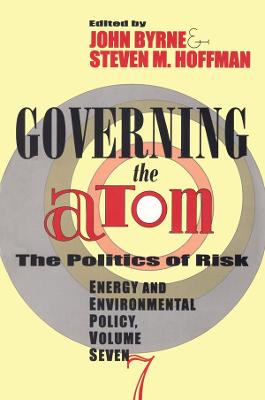
Promoted as a form of limitless, low-cost energy without the polluting effects of its fossil fuel counterparts, nuclear power has enjoyed unparalleled support in several countries. Despite the development of an extensive set of policy and institutional mechanisms to foster its use, nuclear technology has been troubled by a wide range of problems and continues to pose risks many believe are far greater than society should accept. The legacy of failure ranges from catastrophic accidents like that at Chernobyl to the declaration of bankruptcy by the Washington Public Power Supply System. 'Governing the Atom' explores why support for the technology remains substantial. The first part of this volume examines the social institutions that have accompanied the development of nuclear power. The second part details the numerous accommodations which have been required of society, beginning with the technology's impact on communities and geographic regions particularly affected by mining and milling. The technology's inherent tendency towards "normal accidents" and the conflict between expert and public opinion on the dangers involved is examined, as are the on-going problems of waste disposal and decommissioning. The volume concludes with an examination of nuclear power developments in France, Germany, Russia and the Commonwealth of Independent States, Eastern Europe, Korea, and Japan. The volume provides a needed vehicle for the timely consultation and dissemination of current research on important energy policy issues. 'Governing the Atom' provides insightful commentary regarding the initiation and development of nuclear technology. It will be of interest to policymakers, energy and environmental experts, sociologists and historians of technology, and all those interested in the problem of democracy in a technological society.
Introduction, Part I: The Social Structure of Nuclear Power 1 The Ideology of Progress and the Globalization of Nuclear Power 2 Nuclear Policy as Projection: How Policy Choices Can Create Their Own Justification 3 Science, Society and the State: The Nuclear Project and the Transformation of the American Political Economy Part II: The Social Consequences 4 No One Ever Told Us: Native Americans and the Great Uranium Experiment 5 Safety, Accidents, and Public Acceptance 6 Waste Disposal and Decommissioning Part III: The Globalization of Nuclear Power 7 Nuclear Power and Postindustrial Politics in the West 8 Nuclear Politics in Soviet and Post-Soviet Europe, 9 The Asian Atom: Hard-Path Nuclearization in East Asia
John Byrne is director of the Center for Energy and Environmental Policy and professor o f energy and environmental policy at the University of Delaware.