Muutke küpsiste eelistusi

E-raamat: Guitar in Victorian England: A Social and Musical History

(University of Cambridge)
  • Formaat - PDF+DRM
  • Hind: 111,15 €*
  • * hind on lõplik, st. muud allahindlused enam ei rakendu
  • Lisa ostukorvi
  • Lisa soovinimekirja
  • See e-raamat on mõeldud ainult isiklikuks kasutamiseks. E-raamatuid ei saa tagastada.

DRM piirangud

  • Kopeerimine (copy/paste):

    ei ole lubatud

  • Printimine:

    ei ole lubatud

  • Kasutamine:

    Digitaalõiguste kaitse (DRM)
    Kirjastus on väljastanud selle e-raamatu krüpteeritud kujul, mis tähendab, et selle lugemiseks peate installeerima spetsiaalse tarkvara. Samuti peate looma endale  Adobe ID Rohkem infot siin. E-raamatut saab lugeda 1 kasutaja ning alla laadida kuni 6'de seadmesse (kõik autoriseeritud sama Adobe ID-ga).

    Vajalik tarkvara
    Mobiilsetes seadmetes (telefon või tahvelarvuti) lugemiseks peate installeerima selle tasuta rakenduse: PocketBook Reader (iOS / Android)

    PC või Mac seadmes lugemiseks peate installima Adobe Digital Editionsi (Seeon tasuta rakendus spetsiaalselt e-raamatute lugemiseks. Seda ei tohi segamini ajada Adober Reader'iga, mis tõenäoliselt on juba teie arvutisse installeeritud )

    Seda e-raamatut ei saa lugeda Amazon Kindle's. 
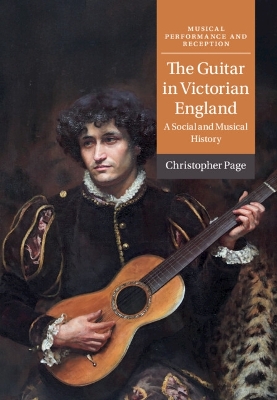
"The guitar could be taken anywhere: a boat, a village hall, a workhouse. Its social and musical history therefore touches upon many aspects of Victorian life such as the growth of leisure activities, the rise of music hall, parish entertainments for good causes and the freedoms newly enjoyed by women"--

The guitar could be taken anywhere: a boat, a village hall, a workhouse. Its social and musical history therefore touches upon many aspects of Victorian life such as the growth of leisure activities, the rise of music hall, parish entertainments for good causes and the freedoms newly enjoyed by women.

In 1893 Clara Lindow sang the ballad Dreamtide to her own guitar accompaniment in the Cumbrian hamlet of Lowick. A writer for the local newspaper not only admired her 'marked skill and ability' but also considered the concert to be a sign of 'the onward march of light and learning in our time'. Amateurs like Miss Lindow were at the heart of a Victorian revival of guitar playing, especially for accompanying the voice, which has never been fully acknowledged and has often been denied. This book is a ground-breaking history of the guitar and its players during the era when the Victorians were making modern Britain. The abundant newspaper record of the period, much of which is now searchable with digital tools, reveals an increasingly buoyant guitar scene from the 1860s onwards. No part of Victorian life, from palace to pavement, remained untouched by the revival.

Muu info

A ground-breaking history of the guitar and its players during the era when the Victorians were making modern Britain.
Contents; List of musical examples; List of illustrations; Acknowledgements; Introduction;
1. A Victorian Conspectus;
2. Guitar players and their repertoires to the 1860s;
3. The book of acts;
4. New opportunities from the 1860s onwards: penny readings and Amateur concerts;
5. Madame Catharina Josepha Pratten and others;
6. The guitarists of the streets; Appendix A; Appendix B; Appendix C; Bibliography.
Christopher Page is Emeritus Professor of English in the University of Cambridge and Fellow of the British Academy. He writes on the social and musical life of the guitar in England from the 1500s onwards. The Guitar in Tudor England (Cambridge, 2015) won the Nicholas Bessaraboff Prize of the American Musical Instrument Society in 2017.