Muutke küpsiste eelistusi

E-raamat: Homosexuality and Manliness in Postwar Japan

(Birkbeck, University of London, UK)
Teised raamatud teemal:
  • Formaat - EPUB+DRM
  • Hind: 63,69 €*
  • * hind on lõplik, st. muud allahindlused enam ei rakendu
  • Lisa ostukorvi
  • Lisa soovinimekirja
  • See e-raamat on mõeldud ainult isiklikuks kasutamiseks. E-raamatuid ei saa tagastada.
Teised raamatud teemal:

DRM piirangud

  • Kopeerimine (copy/paste):

    ei ole lubatud

  • Printimine:

    ei ole lubatud

  • Kasutamine:

    Digitaalõiguste kaitse (DRM)
    Kirjastus on väljastanud selle e-raamatu krüpteeritud kujul, mis tähendab, et selle lugemiseks peate installeerima spetsiaalse tarkvara. Samuti peate looma endale  Adobe ID Rohkem infot siin. E-raamatut saab lugeda 1 kasutaja ning alla laadida kuni 6'de seadmesse (kõik autoriseeritud sama Adobe ID-ga).

    Vajalik tarkvara
    Mobiilsetes seadmetes (telefon või tahvelarvuti) lugemiseks peate installeerima selle tasuta rakenduse: PocketBook Reader (iOS / Android)

    PC või Mac seadmes lugemiseks peate installima Adobe Digital Editionsi (Seeon tasuta rakendus spetsiaalselt e-raamatute lugemiseks. Seda ei tohi segamini ajada Adober Reader'iga, mis tõenäoliselt on juba teie arvutisse installeeritud )

    Seda e-raamatut ei saa lugeda Amazon Kindle's. 

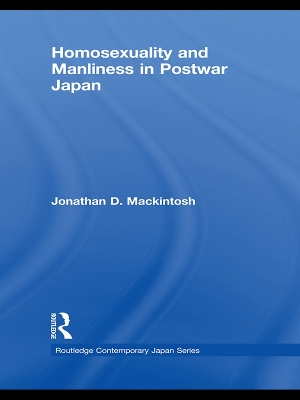
Japan’s first professionally produced, commercially marketed and nationally distributed gay lifestyle magazine, Barazoku (‘The Rose Tribes’), was launched in 1971. Publicly declaring the beauty and normality of homosexual desire, Barazoku electrified the male homosexual world whilst scandalising mainstream society, and sparked a vibrant period of activity that saw the establishment of an enduring Japanese media form, the homo magazine. Using a detailed account of the formative years of the homo magazine genre in the 1970s as the basis for a wider history of men, this book examines the relationship between male homosexuality and conceptions of manliness in postwar Japan. The book charts the development of notions of masculinity and homosexual identity across the postwar period, analysing key issues including public/private homosexualities, inter-racial desire, male-male sex, love and friendship; the masculine body; and manly identity. The book investigates the phenomenon of ‘manly homosexuality’, little treated in both masculinity and gay studies on Japan, arguing that desires and individual narratives were constructed within (and not necessarily outside of) the dominant narratives of the nation, manliness and Japanese culture. Overall, this book offers a wide-ranging appraisal of homosexuality and manliness in postwar Japan, that provokes insights into conceptions of Japanese masculinity in general.

List of illustrations
viii
Acknowledgements ix
Note on Japanese names and translation x
Introduction 1(24)
PART I Producing homo
25(110)
1 Homo `movings': Rentaikan and Shiminken
43(51)
2 White dreams: the coming and going of porn Americana
94(41)
PART II Confessions: the buntsuran and the body
135(78)
3 Eroto-morphemic revolutions of the everyday
149(35)
4 Age differentiation and the redemption of men
184(29)
Conclusion: modernity and the contradictions of certainty 213(6)
Notes 219(21)
Bibliography 240(15)
Index 255
Jonathan D. Mackintosh is Lecturer in Japanese Studies at Birkbeck, University of London, UK. His research interests include gender/sexuality in postwar Japan, masculinities and the body, and historical East Asian diasporic identities.