Muutke küpsiste eelistusi

E-raamat: Horizons in Cancer Research. Volume 88

  • Formaat: 196 pages
  • Sari: Horizons in Cancer Research
  • Ilmumisaeg: 27-Mar-2026
  • Kirjastus: Nova Science Publishers Inc
  • Keel: eng
  • ISBN-13: 9798901342527
Teised raamatud teemal:
  • Formaat - PDF+DRM
  • Hind: 308,75 €*
  • * hind on lõplik, st. muud allahindlused enam ei rakendu
  • Lisa ostukorvi
  • Lisa soovinimekirja
  • See e-raamat on mõeldud ainult isiklikuks kasutamiseks. E-raamatuid ei saa tagastada.
  • Formaat: 196 pages
  • Sari: Horizons in Cancer Research
  • Ilmumisaeg: 27-Mar-2026
  • Kirjastus: Nova Science Publishers Inc
  • Keel: eng
  • ISBN-13: 9798901342527
Teised raamatud teemal:

DRM piirangud

  • Kopeerimine (copy/paste):

    ei ole lubatud

  • Printimine:

    ei ole lubatud

  • Kasutamine:

    Digitaalõiguste kaitse (DRM)
    Kirjastus on väljastanud selle e-raamatu krüpteeritud kujul, mis tähendab, et selle lugemiseks peate installeerima spetsiaalse tarkvara. Samuti peate looma endale  Adobe ID Rohkem infot siin. E-raamatut saab lugeda 1 kasutaja ning alla laadida kuni 6'de seadmesse (kõik autoriseeritud sama Adobe ID-ga).

    Vajalik tarkvara
    Mobiilsetes seadmetes (telefon või tahvelarvuti) lugemiseks peate installeerima selle tasuta rakenduse: PocketBook Reader (iOS / Android)

    PC või Mac seadmes lugemiseks peate installima Adobe Digital Editionsi (Seeon tasuta rakendus spetsiaalselt e-raamatute lugemiseks. Seda ei tohi segamini ajada Adober Reader'iga, mis tõenäoliselt on juba teie arvutisse installeeritud )

    Seda e-raamatut ei saa lugeda Amazon Kindle's. 
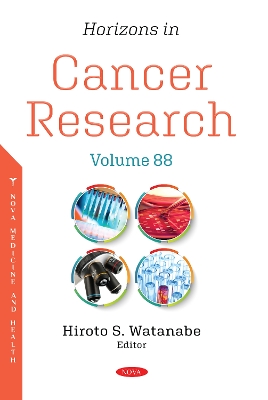
This volume includes seven chapters that detail advances in cancer research. Chapter 1 provides an updated review based on the available knowledge about human papillomavirus (HPV) and its relationship with lesions in the oral cavity, especially oral and oropharyngeal carcinoma. Chapter 2 presents emerging immunotherapeutic approaches that focus on targeting alternative inhibitory receptors (LAG-3, TIGIT, TIM-3), suppressive myeloid cell pathways (CSF-1R, CD47), and metabolic checkpoints (IDO1, CD39, CD73) which contribute to immune evasion. Chapter 3 discusses the main advantages and disadvantages of 2D versus 3D cultures in the discovery and development of compounds with antitumor activity. Chapter 4 demonstrates how the integration of chemotherapy, radiotherapy, and immunotherapy can facilitate the development of synergistic treatment regimens, which may enhance therapeutic efficacy, reduce resistance and ultimately improve patient outcomes in the context of solid tumors management. Chapter 5 intends to summarise in vitro models used to study the physiological mechanisms associated with CAC, scrutinise their strengths and limitations as suitable research models, and shine a light on advanced and innovative techniques. Chapter 6 explores different routes of administration for anticancer drug, drug delivery strategies, and nanotherapeutics approaches, offering insights into combating colorectal cancer effectively. Finally, Chapter 7 aims to assess the quality of life of patients with breast cancer after nutritional counseling in Nepal.