Muutke küpsiste eelistusi

E-raamat: Human, All Too Human

Translated by , Notes by , , Translated by , Introduction by
  • Formaat: EPUB+DRM
  • Ilmumisaeg: 29-Sep-1994
  • Kirjastus: Penguin Classics
  • Keel: eng
  • ISBN-13: 9780141902982
Teised raamatud teemal:
  • Formaat - EPUB+DRM
  • Hind: 9,49 €*
  • * hind on lõplik, st. muud allahindlused enam ei rakendu
  • Lisa ostukorvi
  • Lisa soovinimekirja
  • See e-raamat on mõeldud ainult isiklikuks kasutamiseks. E-raamatuid ei saa tagastada.
  • Formaat: EPUB+DRM
  • Ilmumisaeg: 29-Sep-1994
  • Kirjastus: Penguin Classics
  • Keel: eng
  • ISBN-13: 9780141902982
Teised raamatud teemal:

DRM piirangud

  • Kopeerimine (copy/paste):

    ei ole lubatud

  • Printimine:

    ei ole lubatud

  • Kasutamine:

    Digitaalõiguste kaitse (DRM)
    Kirjastus on väljastanud selle e-raamatu krüpteeritud kujul, mis tähendab, et selle lugemiseks peate installeerima spetsiaalse tarkvara. Samuti peate looma endale  Adobe ID Rohkem infot siin. E-raamatut saab lugeda 1 kasutaja ning alla laadida kuni 6'de seadmesse (kõik autoriseeritud sama Adobe ID-ga).

    Vajalik tarkvara
    Mobiilsetes seadmetes (telefon või tahvelarvuti) lugemiseks peate installeerima selle tasuta rakenduse: PocketBook Reader (iOS / Android)

    PC või Mac seadmes lugemiseks peate installima Adobe Digital Editionsi (Seeon tasuta rakendus spetsiaalselt e-raamatute lugemiseks. Seda ei tohi segamini ajada Adober Reader'iga, mis tõenäoliselt on juba teie arvutisse installeeritud )

    Seda e-raamatut ei saa lugeda Amazon Kindle's. 
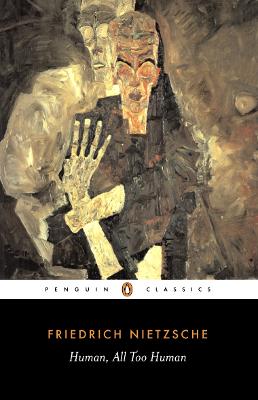
Written after Nietzsche had ended his friendship with Richard Wagner and had been forced to leave academic life through ill health, Human, All Too Human (1878) can be read as a monument to his personal crisis. It also marks the point when he matured as a philosopher, rejecting the German romanticism espoused by Wagner and Schopenhauer and instead returning to sources in the French Enlightenment. Here he sets out his unsettling views in a series of 638 stunning aphorisms - assessing subjects ranging from art to arrogance, boredom to passion, science to vanity and women to youth. This work also contains the seeds of concepts crucial to Nietzsche's later philosophy, such as the will to power and the need to transcend conventional Christian morality. The result is one of the cornerstones of his life's work.
Of first and last things; on the history of moral feelings; religious
life; from the soul of artists and writers; signs of higher and lower
culture; man in society; woman and child; a look at the state; man alone with
himself.
Friedrich Nietzsche was born near Leipzig in 1844, the son of a Lutheran clergyman. At 24 he was appointed to the chair of classical philology at Basle University, where he stayed until forced by his health to retire in 1879. Here, he wrote all his literature, including Thus Spake Zarathustra, and developed his idea of the Superman. He became insane in 1889 and remained so until his death in 1900.


Marion Faber is Professor German at Swarthmore College, Pennsylvania. Her work includes publications on Kafka, Nietzsche and Weimar film.