Muutke küpsiste eelistusi

E-raamat: Human Rights and Sovereign Standards in US Security: "e;Freedom Will Be Defended"e;

  • Formaat - EPUB+DRM
  • Hind: 59,79 €*
  • * hind on lõplik, st. muud allahindlused enam ei rakendu
  • Lisa ostukorvi
  • Lisa soovinimekirja
  • See e-raamat on mõeldud ainult isiklikuks kasutamiseks. E-raamatuid ei saa tagastada.
  • Raamatukogudele

DRM piirangud

  • Kopeerimine (copy/paste):

    ei ole lubatud

  • Printimine:

    ei ole lubatud

  • Kasutamine:

    Digitaalõiguste kaitse (DRM)
    Kirjastus on väljastanud selle e-raamatu krüpteeritud kujul, mis tähendab, et selle lugemiseks peate installeerima spetsiaalse tarkvara. Samuti peate looma endale  Adobe ID Rohkem infot siin. E-raamatut saab lugeda 1 kasutaja ning alla laadida kuni 6'de seadmesse (kõik autoriseeritud sama Adobe ID-ga).

    Vajalik tarkvara
    Mobiilsetes seadmetes (telefon või tahvelarvuti) lugemiseks peate installeerima selle tasuta rakenduse: PocketBook Reader (iOS / Android)

    PC või Mac seadmes lugemiseks peate installima Adobe Digital Editionsi (Seeon tasuta rakendus spetsiaalselt e-raamatute lugemiseks. Seda ei tohi segamini ajada Adober Reader'iga, mis tõenäoliselt on juba teie arvutisse installeeritud )

    Seda e-raamatut ei saa lugeda Amazon Kindle's. 

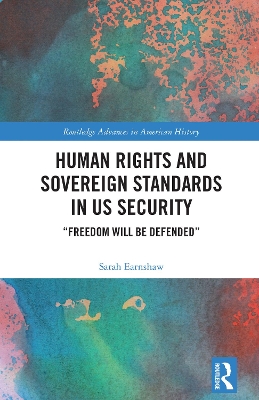
This book examines the history of human rights in US security imaginaries, and provides a a theoretical framework to explore the common-sense assumptions around US foreign relations and the universality of the human.


This book examines the history of human rights in US security imaginaries, and provides a a theoretical framework to explore the common-sense assumptions around US foreign relations and the universality of the human.

The inability, or unwillingness, to provide fundamental freedoms is a central feature in the US presentation of postcolonial spaces as ‘failed’ and ‘rogue’ states: as nodes of disorder and instability, that are then subject to increasingly preemptive pacification. While largely focused on contemporary history from the post-WWII Universal Declaration to drone war, the author critically engages with longer, entwined histories such as Westphalian mythology, humanitarian intervention, and imperial aerial policing. Bridging history, law, politics, culture, and war, the theoretical bounding of the regime of truth offers a fresh reading for those knowledgeable on human rights and/as security policy.

This volume will be of value to students and scholars of American Studies/history, critical IR, human rights history and those interested in conceptions of liberty and US foreign relations.

1. Writing Rights: Natural, Man, Human
2. Securing the Individual: A
Call for US leadership
3. Security as Freedom: The (New) American Century
4.
The Burdens of (Liberal) Imperialism
5. Development and Democracy: Three
Worlds and the Outlaws
6. (In)Dispensable Nation(s)
7. Unable or Unwilling
8.
Humanising War: Normalising Security
9. Counterinsurgency: Military
Operations Other Than War
10. Aviation as Pacification
Sarah Earnshaw is a postdoctoral researcher in American Studies and Cultural Studies currently based at the DFG research group Practicing Place, KU Eichstätt-Ingolstadt. Her research interests include: spatialities of social and cultural conflict; class composition and labour mobilisation; solidarity and resistance; critical security; and conceptions of freedom and autonomy.