Muutke küpsiste eelistusi

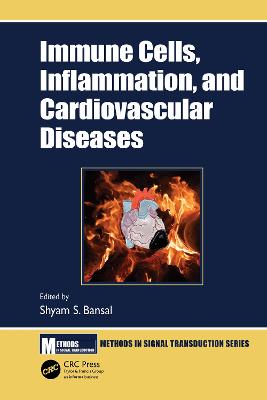
E-raamat: Immune Cells, Inflammation, and Cardiovascular Diseases

Edited by
Teised raamatud teemal:
  • Formaat - PDF+DRM
  • Hind: 63,69 €*
  • * hind on lõplik, st. muud allahindlused enam ei rakendu
  • Lisa ostukorvi
  • Lisa soovinimekirja
  • See e-raamat on mõeldud ainult isiklikuks kasutamiseks. E-raamatuid ei saa tagastada.
Teised raamatud teemal:

DRM piirangud

  • Kopeerimine (copy/paste):

    ei ole lubatud

  • Printimine:

    ei ole lubatud

  • Kasutamine:

    Digitaalõiguste kaitse (DRM)
    Kirjastus on väljastanud selle e-raamatu krüpteeritud kujul, mis tähendab, et selle lugemiseks peate installeerima spetsiaalse tarkvara. Samuti peate looma endale  Adobe ID Rohkem infot siin. E-raamatut saab lugeda 1 kasutaja ning alla laadida kuni 6'de seadmesse (kõik autoriseeritud sama Adobe ID-ga).

    Vajalik tarkvara
    Mobiilsetes seadmetes (telefon või tahvelarvuti) lugemiseks peate installeerima selle tasuta rakenduse: PocketBook Reader (iOS / Android)

    PC või Mac seadmes lugemiseks peate installima Adobe Digital Editionsi (Seeon tasuta rakendus spetsiaalselt e-raamatute lugemiseks. Seda ei tohi segamini ajada Adober Reader'iga, mis tõenäoliselt on juba teie arvutisse installeeritud )

    Seda e-raamatut ei saa lugeda Amazon Kindle's. 

This book provides detailed information on aspects of inflammation, and the manner in which immune activation pathways affect the progression of cardiovascular diseases and the repair/regeneration mechanisms of underlying diseased tissues.

This book provides detailed information on aspects of inflammation, and the manner in which immune activation pathways affect the progression of cardiovascular diseases and the repair/regeneration mechanisms of underlying diseased tissues.


Inflammation, once considered a physiological response to foreign pathogens, is now recognized as a crucial pathological player in the initiation and progression of several chronic diseases, including diabetes, obesity, cancer, Alzheimer’s disease, Parkinson’s disease, and many others. Considering that cardiovascular diseases are a leading cause of death in the United States and worldwide, the identification of critical inflammatory processes is of utmost importance to devising new immune-based therapeutics that can be added to existing regimens. This book provides detailed information on aspects of inflammation and the manner in which immune activation pathways affect the progression of cardiovascular diseases and the repair/regeneration mechanisms of underlying diseased tissues.

Key Features

  • Outlines the role that inflammation plays in cardiovascular diseases
  • Describes a paradox – neutralization of cytokines that contribute to cardiovascular disease does not show benefit
  • Summarizes research on a variety of processes and mechanisms contributing to cardiovascular pathology
    • Contributions from an international team of leading cardiologists and cardiovascular immunologists
  • Related Titles

    Roy, S., et al., eds. Chronic Inflammation: Molecular Pathophysiology, Nutritional and Therapeutic Interventions (ISBN 978-1-138-19955-2)

    Kong, A-N. T., ed. Inflammation, Oxidative Stress, and Cancer: Dietary Approaches for Cancer Prevention (ISBN 978-1-138-19984-2)

    Dick, A., et al. Practical Manual of Intraocular Inflammation (ISBN 978-0-367-38720-4)

    Arvustused

    'This is the 10th book of the Methods in Signal Transduction Series, which covers the role of immune cells and inflammatory pathways in relation to cardiovascular diseases. With over 30 authors, the book presents all aspects of the subject matter in a concise package. Researchers in the field of cardiology will find this collection a valuable reference.'

    - Massoud Mahmoudi, DO, PhD, University of California San Francisco

    Introduction.
    Chapter
    1. Innate Immune system in Cardiovascular
    Diseases.
    Chapter
    2. Helper T-cells in Cardiovascular Diseases.
    Chapter
    3.
    Glucocorticoid Signaling in Heart.Chapter
    4. Transforming Growth Factor
    (TGF)-/Smadsignaling in myocardial disease.
    Chapter
    5. Fibroblast and
    Immune Cell crosstalk in Cardiac Repair.
    Chapter
    6. Inflammation, Stem Cell
    Therapy, and Cardiac Repair.
    Chapter
    7. Cardiovascular Complications of
    Immune Checkpoint Inhibitors.
    Chapter
    8. Neuronal Regulation of immune system
    in Cardiovascular Diseases.
    Chapter
    9. Immune Responses Regulated by Exosomal
    Mechanisms in Cardiovascular Disease.
    Chapter
    10. Ion Channels in Immune
    Cells: Physiological and Pathophysiological Roles.
    Shyam S. Bansal is a a cardiovascular immunologist with expertise in the immune-inflammatory pathways of myocardial infraction and heart failure. His research endeavors focus on the elucidation of innate (macrophages and dendritic cell) and adaptive (T-cells) immune responses during chronic heart failure and the role of these immune cells in mediating pathological left-ventricular remodeling. He is particularly interested in deciphering the role of T-cell subsets and time-dependent phenotypic changes that these cells undergo during chronic HF. He is also interested in identifying and developing novel therapeutic strategies to reverse pathological changes in the immune cells for their bench-to-bed transition. Shyam S. Bansal is an Assistant professor in the Department of Physiology and Cell Biology at the Ohio State University. He received a PhD from the Department of Pharmacology & Toxicology at the University of Louisville, Louisville, KY in 2011. Bansal's first post-doctoral training was in the Department of Nanotechnology at the Methodist Hospital Research Institute (09/2011-09/2012) followed by an extensive post-doctoral training (from 09/2012-07/2018) in studying the role of helper T-cells and Regulatory T cells in mediating pathological left-ventricular remodeling and ischemic heart failure.