Muutke küpsiste eelistusi

E-raamat: Interpreting Child Sacrifice Narratives: Horror and Redemption

(University of Haifa, Israel)
  • Formaat: 288 pages
  • Ilmumisaeg: 23-Mar-2023
  • Kirjastus: Bloomsbury Academic
  • Keel: eng
  • ISBN-13: 9781350236745
  • Formaat - EPUB+DRM
  • Hind: 35,09 €*
  • * hind on lõplik, st. muud allahindlused enam ei rakendu
  • Lisa ostukorvi
  • Lisa soovinimekirja
  • See e-raamat on mõeldud ainult isiklikuks kasutamiseks. E-raamatuid ei saa tagastada.
  • Formaat: 288 pages
  • Ilmumisaeg: 23-Mar-2023
  • Kirjastus: Bloomsbury Academic
  • Keel: eng
  • ISBN-13: 9781350236745

DRM piirangud

  • Kopeerimine (copy/paste):

    ei ole lubatud

  • Printimine:

    ei ole lubatud

  • Kasutamine:

    Digitaalõiguste kaitse (DRM)
    Kirjastus on väljastanud selle e-raamatu krüpteeritud kujul, mis tähendab, et selle lugemiseks peate installeerima spetsiaalse tarkvara. Samuti peate looma endale  Adobe ID Rohkem infot siin. E-raamatut saab lugeda 1 kasutaja ning alla laadida kuni 6'de seadmesse (kõik autoriseeritud sama Adobe ID-ga).

    Vajalik tarkvara
    Mobiilsetes seadmetes (telefon või tahvelarvuti) lugemiseks peate installeerima selle tasuta rakenduse: PocketBook Reader (iOS / Android)

    PC või Mac seadmes lugemiseks peate installima Adobe Digital Editionsi (Seeon tasuta rakendus spetsiaalselt e-raamatute lugemiseks. Seda ei tohi segamini ajada Adober Reader'iga, mis tõenäoliselt on juba teie arvutisse installeeritud )

    Seda e-raamatut ei saa lugeda Amazon Kindle's. 

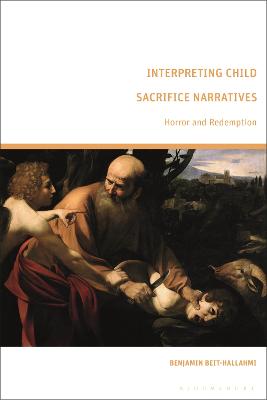
Examining the theme of child sacrifice as a psychological challenge, this book applies a unique approach to religious ideas by looking at beliefs and practices that are considered deviant, but also make up part of mainstream religious discourse in Judaism, Islam, and Christianity.

Ancient religious mythology, which survives through living traditions and transmitted narratives, rituals, and writings, is filled with violent stories, often involving the targeting of children as ritual victims. Christianity offers Abraham's sacrifice and assures us that the “only begotten son” has died, and then been resurrected. This version of the sacrifice myth has dominated the West. It is celebrated in an act of fantasy cannibalism, in which the believers share the divine son's flesh and blood.

This book makes the connection between Satanism stories in the 1980s, the Blood Libel in Europe, The Eucharist, and Eastern Mediterranean narratives of child sacrifice.

Arvustused

With QAnon the most visible agent, contemporary demonologies of politics, culture and gender are once again seeing satanic conspiracies behind and in everything. In this timely and erudite volume, Benjamin Beit-Hallahmi explains the religio-historical background of these topics, analyzes factors in their recent dissemination, and gives a deep, psychoanalytical reading of central motifs. * Asbjørn Dyrendal, Professor of Religious Studies, Norwegian University of Science and Technology, Norway * Beit-Hallahmi offers a unique assessment of child sacrifice narratives. The book is richly detailed, assesses the core narratives of child sacrifice and is sometimes written with humour. * Religion *

Muu info

Examines child sacrifice, violence, and rituals from the ancient Near East into the contemporary world through the lens of psychology.

Preface
Acknowledgements
Prologue
1. Exploring Religion
2. The Enlightenment View of Religion
3. The Satanism Craze: Looking at an Imaginary Religion
4. Proximal Explanations for the Satanism Craze: Social Context
5. Possible Genealogies of Recent Satanism Narratives
6. A Child Is Being Sacrificed
7. Sacrifice Fantasies
8. Human Sacrifice in West Asian Heritage
9. The Binding
10. The Binding of Jesus
11. In Remembrance of a Mythical Sacrifice
12. Genital Mutilation and Child Sacrifice Fantasies
13. An Infanticidal Impulse and the Oedipal Paradox
14. Conclusion: Back to the Present
References
Index
Benjamin Beit-Hallahmi is Professor Emeritus of Psychology at the University of Haifa, Israel.