Muutke küpsiste eelistusi

E-raamat: Introducing the Medieval Bear

  • Formaat: PDF+DRM
  • Sari: Medieval Animals
  • Ilmumisaeg: 15-Apr-2026
  • Kirjastus: University of Wales Press
  • Keel: eng
  • ISBN-13: 9781837723768
  • Formaat - PDF+DRM
  • Hind: 14,91 €*
  • * hind on lõplik, st. muud allahindlused enam ei rakendu
  • Lisa ostukorvi
  • Lisa soovinimekirja
  • See e-raamat on mõeldud ainult isiklikuks kasutamiseks. E-raamatuid ei saa tagastada.
  • Formaat: PDF+DRM
  • Sari: Medieval Animals
  • Ilmumisaeg: 15-Apr-2026
  • Kirjastus: University of Wales Press
  • Keel: eng
  • ISBN-13: 9781837723768

DRM piirangud

  • Kopeerimine (copy/paste):

    ei ole lubatud

  • Printimine:

    ei ole lubatud

  • Kasutamine:

    Digitaalõiguste kaitse (DRM)
    Kirjastus on väljastanud selle e-raamatu krüpteeritud kujul, mis tähendab, et selle lugemiseks peate installeerima spetsiaalse tarkvara. Samuti peate looma endale  Adobe ID Rohkem infot siin. E-raamatut saab lugeda 1 kasutaja ning alla laadida kuni 6'de seadmesse (kõik autoriseeritud sama Adobe ID-ga).

    Vajalik tarkvara
    Mobiilsetes seadmetes (telefon või tahvelarvuti) lugemiseks peate installeerima selle tasuta rakenduse: PocketBook Reader (iOS / Android)

    PC või Mac seadmes lugemiseks peate installima Adobe Digital Editionsi (Seeon tasuta rakendus spetsiaalselt e-raamatute lugemiseks. Seda ei tohi segamini ajada Adober Reader'iga, mis tõenäoliselt on juba teie arvutisse installeeritud )

    Seda e-raamatut ei saa lugeda Amazon Kindle's. 
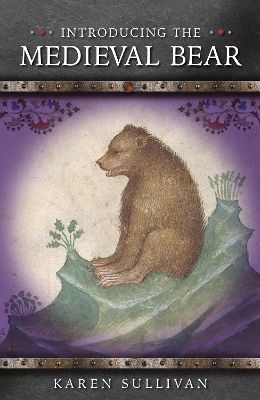
Since the Middle Ages, bears have most frequently been seen as objects. For many centuries, Europeans regarded bears as pests to be eradicated because of the danger they posed to human beings and livestock, whilst in recent decades they have increasingly been seen as victims to be protected from human violence. When a bear attacks, the contemporary response is typically to blame human beings failure, either to signal their presence in bears habitats or to bear-proof their backyards. For climate change activists, the polar bear has become emblematic of the threat posed by humans to the natural world, even though the polar bears population has steadily increased in recent times. At two extremes, bears have been objects of predation or pity. 


In medieval times, however, bears were not objects but subjects viewed as creatures of God. They were seen as being in possession of something analogous to rationality, which enabled them to display surprising intelligence: as warriors endowed with both strength and courage to which humans could only aspire; as fierce competitors in bear-baiting spectacles, like prize-fighters engaged in a bloody sport; or as lovers, inclined to abduct women and have children with them. People treated bears as they expected to be treated themselves, and expected them to behave as humans would; not as passive victims of human action, but as active subjects. 
List of Illustrations
List of Abbreviations
Introduction
1. Bears as Creatures of God
2. Bears as Warriors, Warriors as Bears
3. Bears as Ravishers, Bears as Lovers
4. Bears as Hunters, Bears as Hunted
5. Bears as Entertainers
Conclusion
Selected Bibliography
Index