Muutke küpsiste eelistusi

E-raamat: Jingju - Beijing/Peking Opera: History, Practice, and Aesthetics

(University of Toronto, Canada), Series edited by (Royal Central School of Speech & Drama, University of London, UK)
  • Formaat: 232 pages
  • Sari: Forms of Drama
  • Ilmumisaeg: 13-Nov-2025
  • Kirjastus: Methuen Drama
  • Keel: eng
  • ISBN-13: 9781350174702
Teised raamatud teemal:
  • Formaat - PDF+DRM
  • Hind: 76,05 €*
  • * hind on lõplik, st. muud allahindlused enam ei rakendu
  • Lisa ostukorvi
  • Lisa soovinimekirja
  • See e-raamat on mõeldud ainult isiklikuks kasutamiseks. E-raamatuid ei saa tagastada.
  • Formaat: 232 pages
  • Sari: Forms of Drama
  • Ilmumisaeg: 13-Nov-2025
  • Kirjastus: Methuen Drama
  • Keel: eng
  • ISBN-13: 9781350174702
Teised raamatud teemal:

DRM piirangud

  • Kopeerimine (copy/paste):

    ei ole lubatud

  • Printimine:

    ei ole lubatud

  • Kasutamine:

    Digitaalõiguste kaitse (DRM)
    Kirjastus on väljastanud selle e-raamatu krüpteeritud kujul, mis tähendab, et selle lugemiseks peate installeerima spetsiaalse tarkvara. Samuti peate looma endale  Adobe ID Rohkem infot siin. E-raamatut saab lugeda 1 kasutaja ning alla laadida kuni 6'de seadmesse (kõik autoriseeritud sama Adobe ID-ga).

    Vajalik tarkvara
    Mobiilsetes seadmetes (telefon või tahvelarvuti) lugemiseks peate installeerima selle tasuta rakenduse: PocketBook Reader (iOS / Android)

    PC või Mac seadmes lugemiseks peate installima Adobe Digital Editionsi (Seeon tasuta rakendus spetsiaalselt e-raamatute lugemiseks. Seda ei tohi segamini ajada Adober Reader'iga, mis tõenäoliselt on juba teie arvutisse installeeritud )

    Seda e-raamatut ei saa lugeda Amazon Kindle's. 
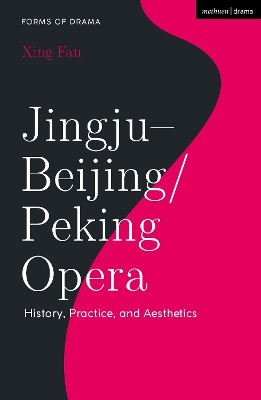
This is an accessible introduction to jingju (Beijing/Peking opera) which presents readers with an analysis of the different components of its aesthetic form in the context of its ongoing cultural history. It traces the history of jingju from its origin during the 1790s to its present-day status as one of the few theatrical forms to enjoy nation-wide popularity in China. In 2010, UNESCO placed it on the Representative List of the Intangible Heritage of Humanity. This book traces jingju's history through three lenses. Firstly, it introduces the stage practices that shape a jingju production-including the use of music, acting style, visual components and staging, and dramatic narrative-and details for the reader the practitioner's experience during the developmental creative process, in rehearsals and behind the curtain. Secondly, it illustrates jingju's development with close analyses of case studies, and sheds light on the process of jingju's transformation into its contemporary form. Lastly, it defines and interprets jingju's notion of the beautiful and how this sense of beauty is communicated through stylization.