Muutke küpsiste eelistusi

E-raamat: Maritime Piracy

  • Formaat: EPUB+DRM
  • Sari: Global Institutions
  • Ilmumisaeg: 01-Mar-2013
  • Kirjastus: Routledge
  • Keel: eng
  • ISBN-13: 9781136504242
Teised raamatud teemal:
  • Formaat - EPUB+DRM
  • Hind: 51,99 €*
  • * hind on lõplik, st. muud allahindlused enam ei rakendu
  • Lisa ostukorvi
  • Lisa soovinimekirja
  • See e-raamat on mõeldud ainult isiklikuks kasutamiseks. E-raamatuid ei saa tagastada.
  • Formaat: EPUB+DRM
  • Sari: Global Institutions
  • Ilmumisaeg: 01-Mar-2013
  • Kirjastus: Routledge
  • Keel: eng
  • ISBN-13: 9781136504242
Teised raamatud teemal:

DRM piirangud

  • Kopeerimine (copy/paste):

    ei ole lubatud

  • Printimine:

    ei ole lubatud

  • Kasutamine:

    Digitaalõiguste kaitse (DRM)
    Kirjastus on väljastanud selle e-raamatu krüpteeritud kujul, mis tähendab, et selle lugemiseks peate installeerima spetsiaalse tarkvara. Samuti peate looma endale  Adobe ID Rohkem infot siin. E-raamatut saab lugeda 1 kasutaja ning alla laadida kuni 6'de seadmesse (kõik autoriseeritud sama Adobe ID-ga).

    Vajalik tarkvara
    Mobiilsetes seadmetes (telefon või tahvelarvuti) lugemiseks peate installeerima selle tasuta rakenduse: PocketBook Reader (iOS / Android)

    PC või Mac seadmes lugemiseks peate installima Adobe Digital Editionsi (Seeon tasuta rakendus spetsiaalselt e-raamatute lugemiseks. Seda ei tohi segamini ajada Adober Reader'iga, mis tõenäoliselt on juba teie arvutisse installeeritud )

    Seda e-raamatut ei saa lugeda Amazon Kindle's. 

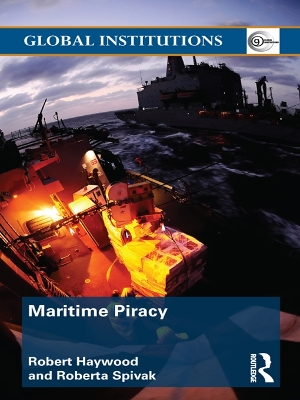
Maritime Piracy is now a pressing global issue, and this work seeks to provide a concise and informative introduction to the area. Never truly having receded into a romanticized past, seaborne banditry’s rapid growth was stimulated by low risks and increasingly high rewards. Currently, obsolete, incomplete and complicating structures and norms of governance, together with advances in technology, enable a lucrative business model for pirates, as they effectively operate with impunity and claim increasing ransoms.

Beginning with an overview and historical development of piracy and the relevant maritime governance structures, this work progresses to examine how 20th century shifts in global governance norms and structures eventually left the high seas open for predatory attacks on one of the worlds fastest growing and essential industries. Moving through contemporary debates about how to best combat piracy, the work concludes that the solution to a chronic global problem requires a long-term, holistic, and inclusive approach.

Examining militaristic, legalist and humanitarian strategies and offering a critical evaluation of the various problems they bring, this work will be of great interest to all students and scholars of international law, international organizations and maritime security.

List of illustrations
xvi
Foreword by the series editors xvii
Acknowledgments xx
Abbreviations xxii
Introduction 1(5)
1 Piracy: the nature of the problem
6(17)
2 History
23(16)
3 The nuts and bolts of twenty-first century maritime governance relevant to combating piracy
39(17)
4 Evolving norms and conventions
56(15)
5 Current debates
71(18)
6 Key gaps and criticisms
89(14)
7 Emerging trends and future directions
103(21)
Notes 124(21)
Select bibliography 145(2)
Index 147
Robert Haywood is Senior Fellow at One Earth Future Foundation


Roberta Spivak is a Researcher at One Earth Future Foundation