Muutke küpsiste eelistusi

E-raamat: Mental Health, Neurodiversity, and Criminal Justice: A Guide for Students and Practitioners

  • Formaat: PDF+DRM
  • Sari: Law and Criminology
  • Ilmumisaeg: 25-Jun-2025
  • Kirjastus: Palgrave Macmillan
  • Keel: eng
  • ISBN-13: 9783031888168
  • Formaat - PDF+DRM
  • Hind: 74,09 €*
  • * hind on lõplik, st. muud allahindlused enam ei rakendu
  • Lisa ostukorvi
  • Lisa soovinimekirja
  • See e-raamat on mõeldud ainult isiklikuks kasutamiseks. E-raamatuid ei saa tagastada.
  • Formaat: PDF+DRM
  • Sari: Law and Criminology
  • Ilmumisaeg: 25-Jun-2025
  • Kirjastus: Palgrave Macmillan
  • Keel: eng
  • ISBN-13: 9783031888168

DRM piirangud

  • Kopeerimine (copy/paste):

    ei ole lubatud

  • Printimine:

    ei ole lubatud

  • Kasutamine:

    Digitaalõiguste kaitse (DRM)
    Kirjastus on väljastanud selle e-raamatu krüpteeritud kujul, mis tähendab, et selle lugemiseks peate installeerima spetsiaalse tarkvara. Samuti peate looma endale  Adobe ID Rohkem infot siin. E-raamatut saab lugeda 1 kasutaja ning alla laadida kuni 6'de seadmesse (kõik autoriseeritud sama Adobe ID-ga).

    Vajalik tarkvara
    Mobiilsetes seadmetes (telefon või tahvelarvuti) lugemiseks peate installeerima selle tasuta rakenduse: PocketBook Reader (iOS / Android)

    PC või Mac seadmes lugemiseks peate installima Adobe Digital Editionsi (Seeon tasuta rakendus spetsiaalselt e-raamatute lugemiseks. Seda ei tohi segamini ajada Adober Reader'iga, mis tõenäoliselt on juba teie arvutisse installeeritud )

    Seda e-raamatut ei saa lugeda Amazon Kindle's. 
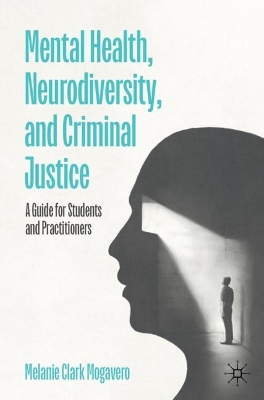
This book is a critical and thorough examination of the relationship between the criminal justice and mental health systems. The chapters cover a wide range of populations, focusing on those with neurodevelopmental disabilities, specifically autism and intellectual disability, mental illnesses such as post-traumatic stress disorder and schizophrenia, substance use disorders, and juveniles. This book covers the entire criminal justice process from initial contact, police questioning, the court system, community and custodial correctional systems, and the forensic mental health system. Specific topics addressed include community interactions and crisis intervention, comprehension of Miranda warnings, competency to stand trial, eyewitness identification procedures, admissibility of expert testimony, defenses of legal responsibility, community corrections, and ethical concerns with incarceration and eligibility for capital punishment. This book also covers the history and development of the criminal justice, juvenile justice, and mental health systems to contextualize modern-day policies and practices. With student-friendly features, current terminology, inclusive language, and key findings for criminal justice practitioners, this book serves as both a textbook and extensive reference for courses and for those seeking to learn more about these diverse populations and to have a positive impact. The content has international implications. 
Part 1: Neurodiversity and Mental Illness
1. Understanding
Neurodiversity.-
2. Understanding Mental Illness and Substance Abuse
Disorder.-
3. Understanding Adolescent Cognition and Development  .- Part 2:
History and Development of the Modern U.S. Criminal Justice System and
Juveniles Justice Systems.-
4. History of the U.S. Criminal Justice System:
Rehabilitation vs. Crime Control Models.-
5. The Development of the Juvenile
Justice System: Rehabilitation vs. Punishment.-
6. Deinstitutionalization and
Transinstitutionalization.- Part 3: The Mental Health System in the Criminal
Justice System: The Intersection with Law Enforcement.-
7. Interaction with
Persons with Mental Illnessand Neurodiverse populations.-
8. Interviews,
Interrogations & FalseConfessions.-
9. Eyewitness Identification and Memory.-
Part 4: The Mental Health System in the Criminal Justice System: The
Intersection with the Criminal and Civil Court Systems.-
10. Forensic
Assessment and Commitment.-
11. Forensic Involuntary Civil Commitment .-
12.
Criminal Responsibility and Forensic Commitment.-
13. Court Procedures and
the Protection Rights.-
14. Evidence and Expert Testimony.- Part 5: The
Intersection of Correctional Systems and Alternatives to Incarceration.-
15.
Specialty Courts and Community Supervision.-
16. Correctional Facilities and
the Protection Rights.-
17. Capital Punishment and the Protection Rights.
Melanie Clark Mogavero is Associate Professor at Georgian Court University in New Jersey, USA. Dr. Mogaveros research area focuses on people with disabilities involved in the criminal justice system and specific policies targeted toward those convicted of sexual offenses.